
Nigeria Leads Continental Push for Stronger AfCFTA Implementation, Eyes Unified African Voice at WTO MC14
Nigeria is intensifying efforts to deepen the implementation of the African Continental Free Trade Area (AfCFTA) while positioning Africa to speak with a unified voice at the upcoming 14th WTO Ministerial Conference (MC14).
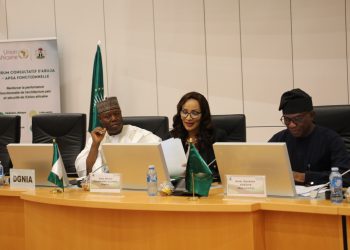
The Federal Ministry of Industry, Trade and Investment (FMITI) reaffirmed the country’s commitment during the 2026 first-quarter meeting of the AfCFTA Central Coordination Committee (CCC) in Abuja.
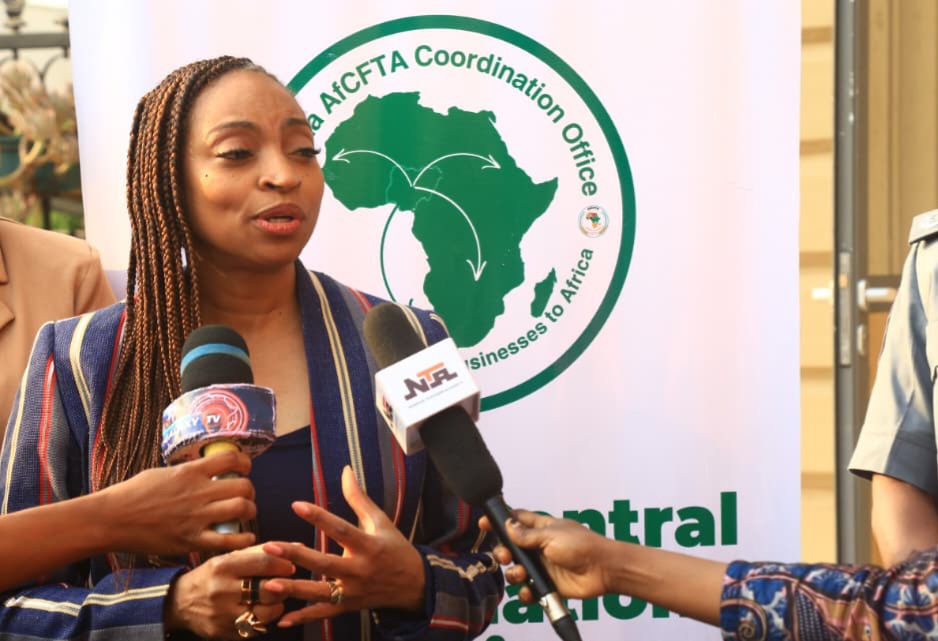
Speaking at the meeting, the Minister of Industry, Trade and Investment, Jumoke Oduwole, said Nigeria is taking a leading role in strengthening AfCFTA implementation across the continent while preparing a coordinated national position for MC14, scheduled to take place in Yaoundé, Cameroon.
Oduwole described the CCC as the “engine room” driving Nigeria’s AfCFTA delivery and commended members for their work throughout 2025. She noted that the release of Nigeria’s AfCFTA implementation scorecard earlier in the year demonstrated the government’s commitment to transparency, accountability, and measurable progress.
She highlighted Nigeria’s participation in recent high-level consultations in Maputo, Mozambique, where African trade ministers met with the Director-General of the World Trade Organization, the Secretary-General of the AfCFTA Secretariat, and representatives of the African Union to harmonize Africa’s common position ahead of MC14.
According to her, “Nigeria is adopting a whole-of-country and whole-of-economy approach to preparations for the conference, bringing together the private sector, trade associations, customs authorities, standards agencies, and key government institutions under the coordination of FMITI.”
She identified priority areas for Nigeria’s engagement to include e-commerce, investment facilitation for development, agriculture, and broader trade reforms aimed at strengthening national economic growth and expanding export opportunities.
Oduwole also highlighted Nigeria’s leadership role as a digital trade champion under AfCFTA, noting that the country plans to host a series of engagements during the year to deepen digital trade and enhance export competitiveness. She added that Nigeria’s non-oil exports to African markets have recorded notable growth, reinforcing the importance of regional trade in stabilizing and strengthening the national economy.
To further expand participation, the minister announced that the ministry will begin subnational intervention tours across Nigeria’s six geopolitical zones in April. The initiative aims to take AfCFTA awareness to states and local businesses, identify export-ready products, and ensure wider access to continental trade opportunities.
She reaffirmed that the administration of Bola Ahmed Tinubu remains focused on delivering the Renewed Hope Agenda, emphasizing that recent economic reforms have helped stabilize the economy and position Nigeria for long-term growth.
In his welcome remarks, the Permanent Secretary of FMITI, Nura Abba Rimi, represented by the Director of Reform Coordination and Service Improvement, Mohammed Naziru Abbas, commended the minister’s leadership and the committee’s sustained collaboration.
He described the CCC as a vital platform for policy alignment, inter-agency coordination, and performance monitoring of Nigeria’s AfCFTA commitments. Rimi urged members to adopt a solution-driven approach focused on implementation discipline, measurable outcomes, and accountability.
He noted that AfCFTA represents a transformative economic framework capable of driving industrial expansion, export diversification, regional value chain integration, and inclusive growth for Nigerian businesses, particularly MSMEs, women, and youth.
Also briefing the meeting, the Special Adviser to the minister, Patience Okala, outlined the committee’s “Road to MC14,” the planned P3 subnational tours, and activities lined up for Nigeria’s AfCFTA Week.
She said the recent P3 Summit provided an opportunity for stakeholders to review key AfCFTA protocols, including Trade in Goods, Trade in Services, Investment, Digital Trade, and Women and Youth in Trade, with the aim of strengthening technical understanding and improving coordinated implementation.
Okala added that one of the summit’s key outcomes was the simplification of AfCFTA frameworks into accessible formats to encourage stronger private sector participation. She disclosed that user-friendly AfCFTA guides are being developed and translated into major Nigerian languages to promote nationwide awareness and engagement.
She also announced the unveiling of the CCC National Action Plan and the establishment of a governance subcommittee to strengthen implementation structures. The subcommittee, chaired by Chioma Chudi-Anaukwu, has commenced work and will present its framework at a subsequent launch event.
Participants at the meeting reaffirmed Nigeria’s determination to consolidate its AfCFTA gains, strengthen institutional coordination, and project a confident and strategic presence at regional and global trade platforms while ensuring that continental trade delivers tangible economic benefits for Nigerian businesses and citizens.