
Abuja–Keffi Expressway Gridlock: A Daily Struggle for Thousands
By Sarah Kitka
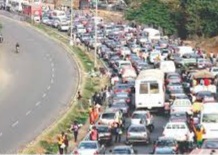
The Nyanya–Mararaba–Masaka corridor has remained heavily congested, turning what should be a routine commute into a daily ordeal for thousands of residents in Abuja and Nasarawa State.
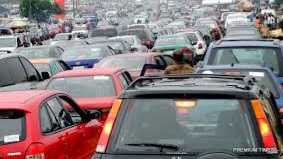
During peak hours, traffic along the Abuja–Keffi Expressway often grinds to a standstill. Workers, students, traders, and transport operators now spend several hours on journeys that once took less than an hour. Beyond the inconvenience, the persistent gridlock is draining incomes, increasing transportation costs, and reducing productivity.
Commercial drivers are among the hardest hit, as longer hours on the road mean higher fuel consumption and fewer completed trips each day. For traders and daily wage earners, the situation translates into higher transport fares and reduced earnings.
Observers say the causes of the congestion are evident: rapid population growth along the corridor, the rising number of vehicles, roadside trading, illegal parking, and inadequate traffic management. Combined, these factors have overwhelmed a road infrastructure that was never designed to handle the current volume of traffic.
Residents are calling on the Federal Road Safety Corps (FRSC) and the Federal Capital Territory Administration (FCTA) to take decisive action. Their demands include expanding road capacity, enforcing traffic regulations consistently, and improving coordination among agencies responsible for managing traffic along the route.
The Abuja–Keffi Expressway remains a critical economic artery linking the Federal Capital Territory to Nasarawa State and other parts of the country. Its efficient operation is vital for commerce, livelihoods, and mobility across the region. Without urgent intervention, residents fear the worsening congestion will continue to undermine economic and social activities.
Meanwhile, the Nasarawa State Government, under the leadership of Governor Abdullahi Sule, is currently dualising sections of the road beginning from the state boundary with the Federal Capital Territory, Abuja. Many commuters believe that once the project is extended and completed at least up to Masaka — one of the most densely populated areas in Karu Local Government Area — the persistent gridlock could be significantly reduced.