
Why Families Hold the Key to Winning Nigeria’s War Against Drug Abuse
By Goodness Ekpang
“For many Nigerian families, the warning signs often appear quietly. A once-vibrant teenager suddenly becomes withdrawn. Academic performance begins to decline. Household valuables disappear without explanation. Tempers flare over seemingly insignificant issues, while parents struggle to understand what has changed.”
Across the country, scenes like these are becoming increasingly familiar. Drug abuse is no longer confined to rehabilitation centres, criminal investigations or sensational headlines. It has found its way into homes, classrooms and neighbourhoods, threatening the social fabric of communities and placing enormous emotional and economic burdens on families.

Yet, despite the growing crisis, experts believe that the strongest weapon against substance abuse is not found in police operations or courtrooms—it begins within the family.
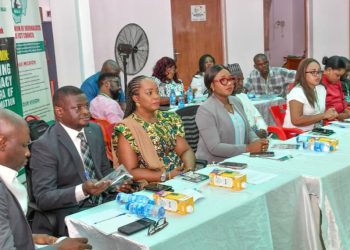
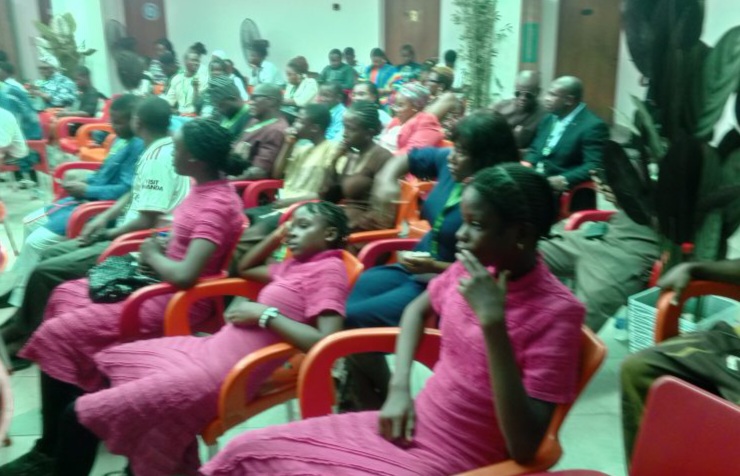
That message took centre stage at the maiden Drug-Free Future Summit (DFFS) 2026, organised by the Balm for the Bruised Foundation (BFBF) at the Nigeria Union of Journalists (NUJ) FCT Council Press Centre in Abuja.
With the theme, “Breaking the Cycle: Empowering Families Against Drug Abuse,” the summit brought together policymakers, academics, law enforcement agencies, journalists, development partners, civil society organisations and community leaders to rethink Nigeria’s approach to tackling addiction.
Beyond Enforcement
For decades, public conversations around drug abuse have focused heavily on arrests, convictions and seizures of illicit substances. While these remain important, experts at the summit argued that enforcement alone cannot solve a problem rooted in broken relationships, emotional distress and social neglect. Instead, they called for greater investment in prevention, family support, education and mental health.
The event also marked the official launch of the Balm for the Bruised Foundation and coincided with the 50th birthday celebration of its founder, Princess Ekwi Ajide, whose commitment to helping vulnerable individuals inspired the initiative.
In her welcome address, Ajide described drug abuse as one of Nigeria’s most pressing social challenges, affecting not only individuals but entire families.
According to her, addiction leaves emotional scars, disrupts education, destroys livelihoods and weakens communities.
While rehabilitation remains essential, she stressed that prevention offers the greatest opportunity to protect future generations.
She urged parents, teachers, faith-based organisations, community leaders and government institutions to work together in nurturing children with strong values, emotional resilience and supportive environments that reduce their vulnerability to drugs.
The foundation, she explained, was established to strengthen families, empower young people and build communities where hope triumphs over addiction.
Women and the Hidden Crisis
The summit also witnessed the unveiling of Princess Ajide’s new book, “Impending Crisis: Drug Use Among Women in Nigeria.”
The publication shines a spotlight on a dimension of substance abuse that often receives little public attention—the growing number of women battling addiction.
The book advocates stronger research, gender-sensitive policies and targeted interventions to address the unique challenges women face in accessing treatment and recovery.
Looking Beyond “Bad Choices”
Delivering the keynote address, the Dean of the Faculty of Management Sciences at Nile University of Nigeria, Professor May Ifeoma Nwoye, challenged the widespread belief that addiction is simply the result of poor personal decisions.
She argued that substance abuse is often driven by deeper social and psychological issues.
According to her, emotional trauma, family instability, unemployment, peer pressure, untreated mental health conditions and the absence of positive role models frequently push young people toward drugs.
Rather than condemnation, she advocated prevention strategies centred on counselling, education, mentorship and youth empowerment.
Professor Nwoye urged governments, educational institutions, religious bodies and community organisations to invest more intentionally in programmes that strengthen families, promote mental wellness and create opportunities for young people to realise their potential.
A New Face of Drug Control
Representing the National Drug Law Enforcement Agency (NDLEA), Deputy Commander of Narcotics Dr. Aliyu Omama highlighted how the agency’s mandate has expanded beyond arrests and seizures.
Today, he said, the NDLEA places significant emphasis on prevention, counselling, treatment, rehabilitation and reintegration.
He encouraged families to seek professional assistance instead of hiding relatives struggling with addiction, noting that countless lives have been transformed through rehabilitation programmes.
His message reflected a growing understanding that recovery is possible when individuals receive support instead of stigma.
A Collective Responsibility
Goodwill messages from leaders across different sectors reinforced the summit’s central theme.
Among them were the President and Chairman of Council of the Nigerian Institute of Public Relations (NIPR), Dr. Ike Neliaku; National Chairperson of the Nigeria Association of Women Journalists (NAWOJ), Hajia Aishatu Ibrahim; and Chairperson of the Nigeria Union of Journalists (NUJ) FCT Council, Comrade Grace Ike.
They unanimously called for stronger collaboration among government agencies, schools, media organisations, civil society groups, traditional institutions and faith-based organisations.
Their appeal focused on sustaining public awareness campaigns, expanding access to treatment and rehabilitation services, strengthening family support systems and promoting responsible communication that encourages behavioural change.
Families as the First Line of Defence
One of the strongest takeaways from the summit was the recognition that families remain society’s first classroom.
It is within the home that children develop values, confidence and resilience. It is also where early warning signs of substance abuse can be identified before addiction takes root.
Experts stressed that open communication between parents and children, emotional support, consistent guidance and positive role modelling remain among the most effective preventive tools available.
Communities, schools and religious institutions, they added, must complement these efforts by creating safe spaces where young people feel heard, valued and supported.
A Pledge for a Drug-Free Future
The summit concluded with participants taking a Drug-Free Pledge, committing themselves to reject substance abuse, resist negative peer pressure, support people seeking recovery without discrimination and become advocates for healthier communities.
Representatives from the United Nations Office on Drugs and Crime (UNODC), the National Drug Law Enforcement Agency (NDLEA), Women Against Substance Abuse (WANSA), the Nigerian Institute of Public Relations (NIPR), the Nigeria Union of Journalists (NUJ), the Nigeria Association of Women Journalists (NAWOJ), academics, students, development partners, faith-based organisations and community leaders all lent their voices to the campaign.
The Road Ahead
As Nigeria continues to grapple with the growing challenge of substance abuse, experts say lasting solutions will require more than stronger laws or increased arrests.
They will require stronger families, better-informed communities, accessible mental health services and sustained collaboration across every sector of society.
The Drug-Free Future Summit offered a timely reminder that while government agencies have a vital role to play, the battle against addiction is one that begins much closer to home.
For every child guided, every family strengthened and every life reclaimed from addiction, Nigeria moves one step closer to building the drug-free future envisioned by those who gathered in Abuja.