Deprecated: Function WP_Dependencies->add_data() was called with an argument that is deprecated since version 6.9.0! IE conditional comments are ignored by all supported browsers. in /home/corerepo/public_html/wp-includes/functions.php on line 6260 Alamein Forum: Nigeria Calls for Trade to Drive Africa’s Diplomacy - Core Reporters
Alamein Forum: Nigeria Calls for Trade to Drive Africa’s Diplomacy
By Our Reporter
Egypt (Core Reporters) — Nigeria has called on African nations to place trade and economic cooperation at the centre of Pan-African diplomacy, saying diplomatic partnerships will endure only when anchored on shared economic interests.
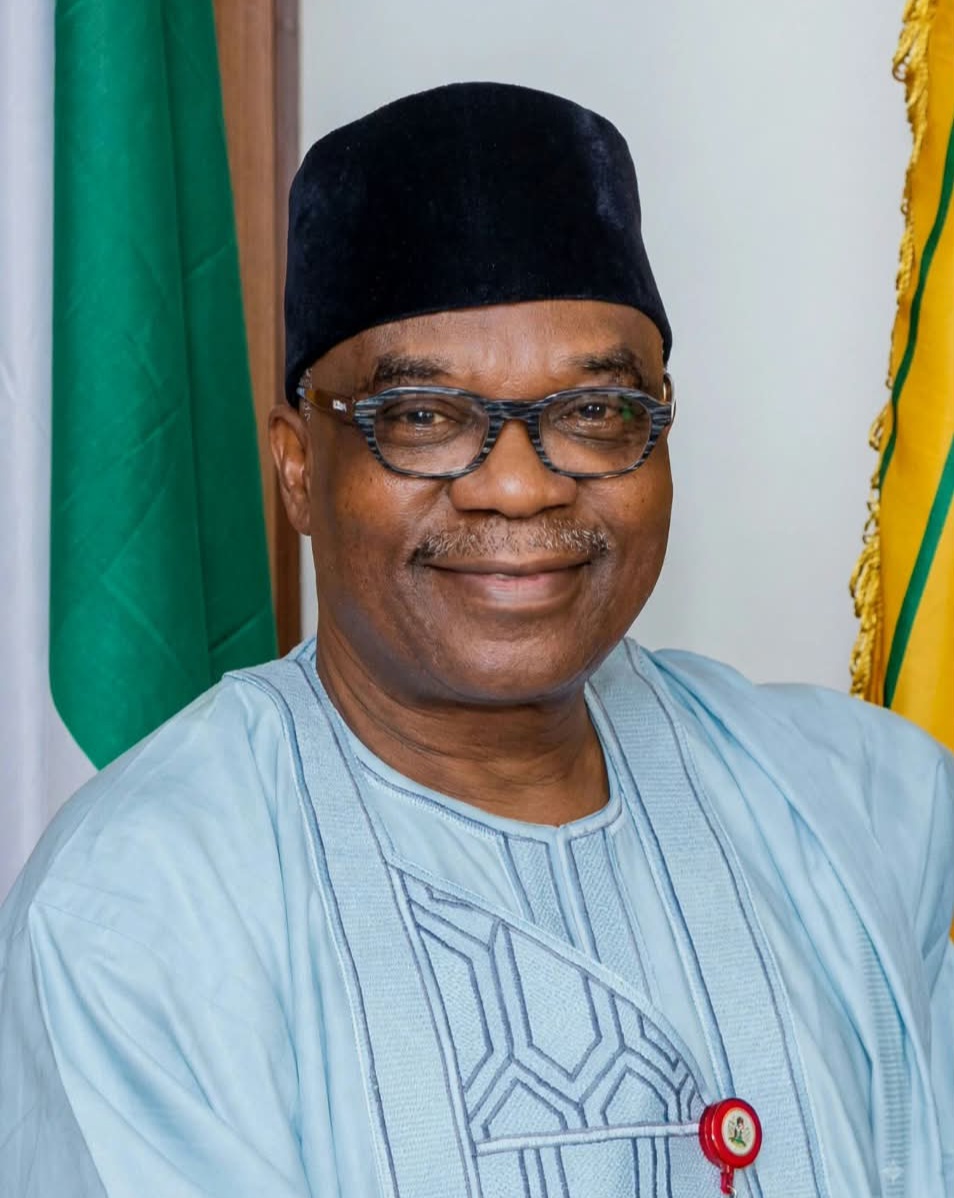
The Minister of State for Foreign Affairs, Amb. Sola Enikanolaiye, made the call on Friday, October 2, 2026, at the Ministerial Roundtable on “Trade and Economic Cooperation at the Centre of Pan-African Diplomacy” during the inaugural Africa-Alamein Business Forum (Go63) in New Alamein City, Egypt.
“For too long, we treated trade and diplomacy as separate tracks. Our partnerships endure only when they rest on shared economic interests,” he said, stressing that Africa remains the centrepiece of Nigeria’s foreign policy.
Enikanolaiye highlighted Nigeria’s economic reforms since 2023, including the removal of fuel subsidy, unification of the foreign exchange market and fiscal reforms, which he said had contributed to 4.43 per cent economic growth in the second quarter of 2026.
He also cited a decline in inflation to 15.39 per cent in August, foreign exchange reserves of $54.86 billion as of September 24, and the reduction of the Monetary Policy Rate to 23 per cent.
According to him, the National Single Window became operational on March 27, 2026, while the Nigeria Tax Act, which consolidates more than 60 levies, took effect on January 1, 2026.
On the African Continental Free Trade Area (AfCFTA), the minister described the agreement as Africa’s most important trade instrument, noting that 50 countries have ratified it, while 39 are participating in the Guided Trade Initiative.
He said Nigeria had validated its AfCFTA Implementation Strategy, gazetted its tariff concessions, submitted its services commitments and ratified the Digital Trade Protocol in November 2025.
He further disclosed that a new air cargo corridor established in partnership with Uganda Airlines and the United Nations Development Programme (UNDP) had reduced freight costs by between 50 and 75 per cent.
Enikanolaiye stressed that increased trade must be supported by accessible financing, commending the roles of the African Export-Import Bank (Afreximbank) and the Pan-African Payment and Settlement System (PAPSS).
He disclosed that the Central Bank of Nigeria directed commercial banks to adopt PAPSS from April 2025 to facilitate local-currency settlement for cross-border transactions.
The minister proposed five key measures to deepen Africa’s trade diplomacy: making trade facilitation a standing item in diplomatic engagements; tackling non-tariff barriers; expanding trade finance for small and medium-sized enterprises, women and young people; investing in transport and energy corridors and regional value chains; and ensuring that African countries speak with one voice in external trade negotiations.
On Nigeria-Egypt relations, Enikanolaiye said bilateral trade, which stood at $223 million in 2025, remained below its potential.
He therefore called for the full implementation of agreements reached at the July 2025 Nigeria-Egypt Business Forum and the proposed Joint Investment Council.
Earlier, Egyptian Prime Minister, H.E. Dr. Mostafa Madbouly, declared the forum open, describing it as a sustainable platform for dialogue among governments, the private sector and financial institutions.
Egypt’s Minister of Investment and Foreign Trade, H.E. Mohamed Farid, also called for greater African cooperation to develop an integrated continental automotive industry.
The Go63 Forum, organised by the Egyptian government in partnership with Afreximbank and AUDA-NEPAD, runs until October 4 and is designed as a permanent biennial platform for translating Africa’s economic integration objectives into concrete investments.