
Workers’ Day 2026: NHRC Warns of Looming Human Rights Crisis as Fuel Hike Pushes Nigerian Workers to the Brink
By Core Reporters
Nigeria’s deepening economic strain has taken a more urgent turn, with the National Human Rights Commission (NHRC) declaring that the rising cost of living—driven largely by fuel price hikes—is no longer just an economic challenge but a full-blown human rights concern.
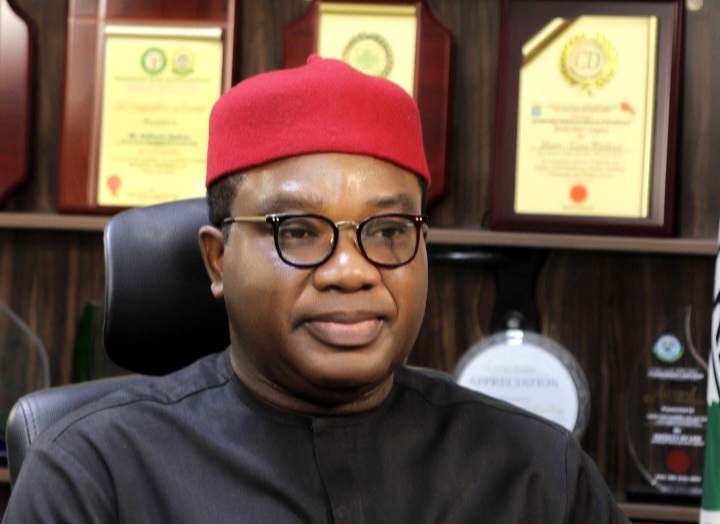
In a Workers’ Day statement, Executive Secretary of the Commission, Dr. Tony Ojukwu, sounded a stark warning: “Nigerian workers are being stretched beyond their limits, with many now struggling to afford the basic cost of getting to work.”
The Commission’s position reframes the national conversation—shifting it from policy debate to rights-based urgency. According to the NHRC, the sharp increase in petrol prices has triggered a chain reaction, driving up transportation fares, shrinking disposable income, and steadily eroding the dignity of labour.
“Workers are paying more just to earn a living,” the Commission noted, pointing to a growing paradox where employment no longer guarantees economic stability.
Beyond fuel costs, Ojukwu spotlighted a web of structural failures compounding the crisis: erratic electricity billing, unaffordable housing, weak healthcare coverage, and persistent wage inequality. These pressures, it warned, are converging to push millions closer to economic vulnerability.
Particularly troubling is the continued delay in the payment of retirement benefits—described as a violation that strips retirees of dignity after years of service. The Commission also flagged ongoing industrial unrest in the health sector, linking it to poor welfare conditions that ultimately affect both workers and citizens.
While acknowledging government interventions aimed at cushioning the effects of global inflation, the NHRC Boss insists those measures have yet to meaningfully impact the everyday realities of Nigerians.
Its message is clear and urgent: without swift, targeted, and people-centered reforms—especially in transportation and worker welfare—the situation could deteriorate further.
As Nigeria marks International Workers’ Day 2026, the Commission’s warning lands heavily: the burden of economic reform cannot continue to fall disproportionately on workers.
The real test for the government, it suggests, is no longer policy intention—but how quickly relief reaches the people who keep the country running.