
Senator Munir Nwoko’s Self-Defense Bill Rekindles Debate on Civilian Gun Ownership Amid Rising Insecurity
By Raphael Ekpang
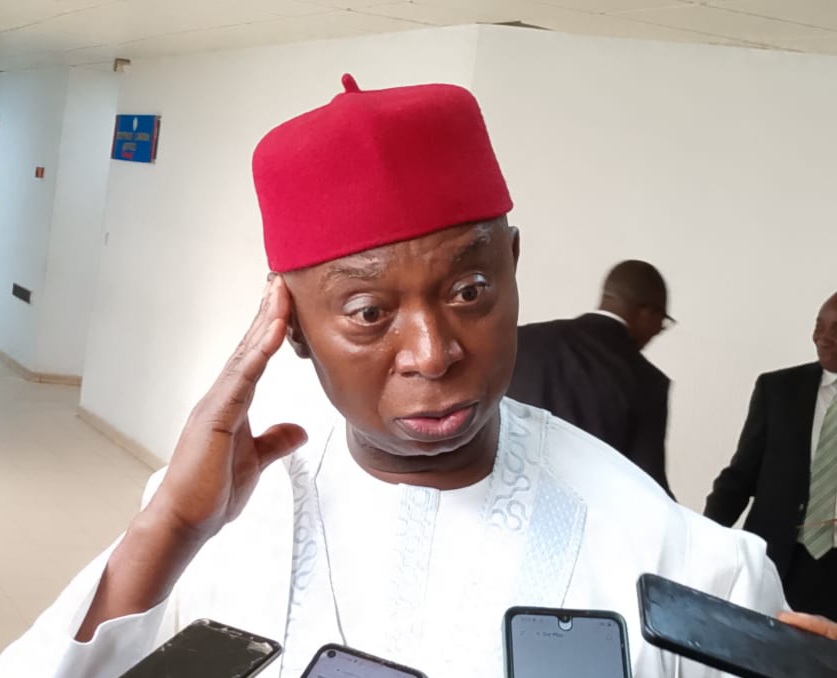
Nigeria’s worsening security challenges have once again brought the debate over civilian self-defense to the forefront, as Senator Munir Ned Nwoko, representing Delta North Senatorial District, renewed his push for legislation that would allow qualified Nigerians to legally own firearms under a tightly regulated licensing system.
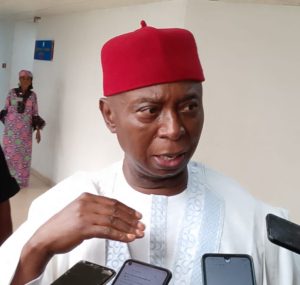
For the senator, the country’s security situation has reached a point where citizens should no longer remain defenseless while criminals continue to acquire weapons illegally. He argues that empowering responsible, law-abiding Nigerians to protect themselves could become an important complement to the efforts of conventional security agencies.
At the heart of his proposal is the Self-Defense Bill, which seeks to establish a legal framework for licensed civilian firearm ownership. Contrary to fears that the bill would encourage widespread gun possession, Nwoko insists it is designed with strict safeguards to ensure that only carefully vetted individuals qualify.
Under the proposed framework, applicants would be required to undergo certified weapons training, obtain medical certification confirming they are mentally fit, secure recommendations from their local government chairman or traditional ruler, and receive security clearance from both the state Director of the Department of State Services (DSS) and the Commissioner of Police before a firearm license is issued.
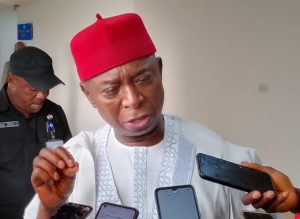
According to the senator, the objective is not to place weapons in the hands of every Nigerian but to give responsible citizens the legal means to defend themselves, their families, and their communities when confronted by armed criminals.
His argument is rooted in the reality that many attacks on communities, schools, and rural settlements occur before security forces can intervene. He believes that trained and licensed civilians could help reduce casualties and deter attacks in situations where law enforcement agencies are unable to respond immediately.
Nwoko contended that the current situation places law-abiding Nigerians at a disadvantage because criminals already possess illegal firearms, leaving ordinary citizens vulnerable and unable to protect themselves within the limits of the law.
Beyond civilian firearm ownership, the Senator is also advocating a second piece of legislation that seeks to establish a legal framework for licensed military contractors in Nigeria.

The proposal aims to harness the expertise of retired military personnel, former security operatives, and other trained professionals by organizing them into regulated private security outfits capable of supporting national security efforts.
According to Nwoko, many countries, including the Democratic Republic of Congo, South Africa, Burkina Faso, and Iraq, already utilize private military contractors to complement their formal security architecture.
He argues that Nigeria invests significant resources in training members of its armed forces and other security agencies. Rather than allowing that expertise to go to waste after retirement, he believes a regulated system would enable the country to continue benefiting from their experience while creating employment opportunities for retired personnel.
The senator also maintains that providing structured post-service opportunities could reduce the risk of highly trained former security operatives being lured into criminal activities or illegal arms trafficking.
Together, the two legislative proposals reflect what Nwoko describes as a broader strategy to strengthen Nigeria’s security architecture by combining state security institutions with carefully regulated civilian and private-sector participation.
As insecurity continues to dominate national discourse, his proposals are expected to generate robust debate among lawmakers, security experts, civil society groups, and the wider public. While supporters see the bills as practical responses to growing security threats, critics are likely to raise questions about firearm regulation, oversight, and the potential implications for public safety.
For Senator Nwoko, however, the central argument remains clear: Nigerians should have greater legal capacity to defend themselves while complementing but not replacing the work of the nation’s conventional security agencies.