
Nigeria Unveils Free TV Platform to Boost Job Creation, Content Industry, Economy
By Sarah Kitka
The Federal Government has officially launched Nigeria’s Digital Switch Over (DSO) Platform, describing it as a major investment in the country’s future and projecting significant benefits for job creation, local content development, the creative industry, and the broader economy.
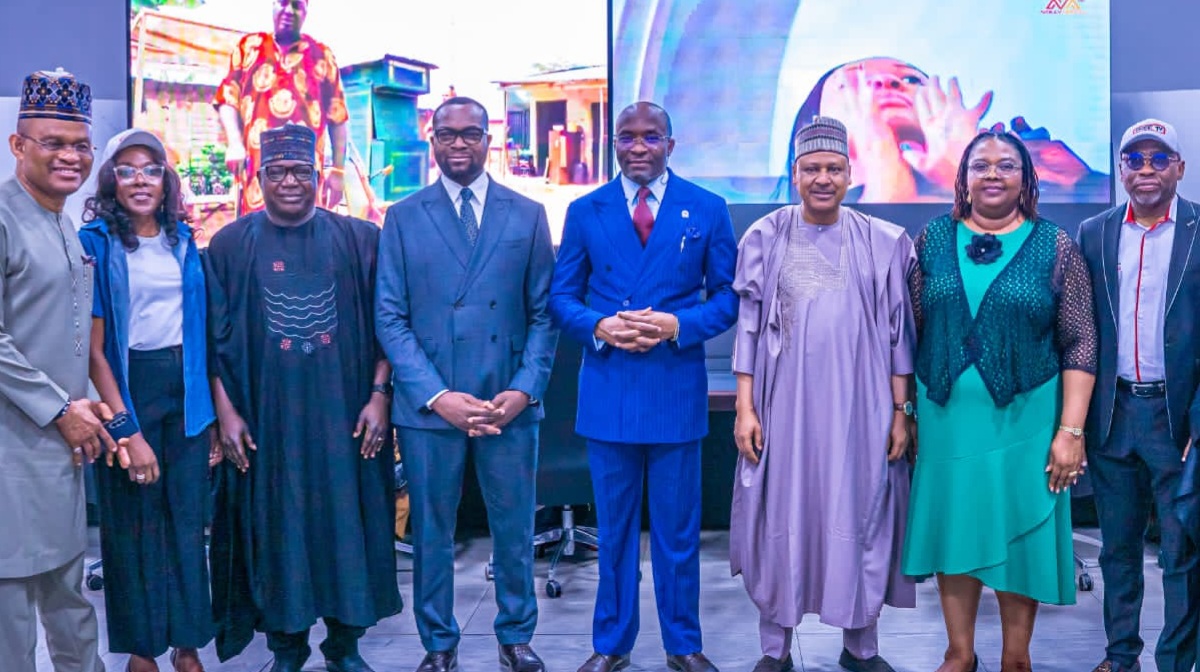
Speaking on Wednesday at the official launch of the DSO Platform at the headquarters of the Nigerian Communications Satellite Limited (NIGCOMSAT) in Abuja, the Honourable Minister of Information and National Orientation, Mohammed Idris, said the initiative would unlock vast opportunities across the broadcasting value chain.
“A fully implemented DSO ecosystem will create jobs, stimulate local manufacturing, expand audience reach, strengthen content production, increase advertising opportunities, and unlock new revenue streams for broadcasters and content creators,” the Minister stated.
He described the launch as a major milestone in Nigeria’s broadcasting history and attributed the achievement to the support and leadership of President Bola Ahmed Tinubu, whose Renewed Hope Agenda places strong emphasis on digital transformation, economic growth, innovation, and the development of critical national infrastructure.
“The Digital Switch Over project is not simply a technological transition; it is a critical step towards modernising Nigeria’s broadcasting industry,” Idris said.
He added that the launch forms part of a broader national effort by the Federal Government to build a more connected, competitive, and prosperous Nigeria.
The Minister disclosed that extensive consultations were held a day earlier with stakeholders across the broadcasting value chain, including broadcasters, signal distributors, set-top box manufacturers, content producers, NIGCOMSAT, DigiTeam, the Broadcasting Organisations of Nigeria (BON), the Advertising Regulatory Council of Nigeria (ARCON), and other industry players.
According to him, stakeholders reaffirmed their collective commitment to the successful implementation of the programme despite differing views on some aspects of execution.
“One important message emerged clearly from that engagement: all stakeholders remain united in their commitment to the successful implementation of the Digital Switch Over programme in Nigeria,” he said.
Addressing concerns regarding implementation, Idris explained that the DSO initiative is not intended to replace one technology with another but to expand access and embrace innovation through multiple delivery platforms.
“Digital Terrestrial Television (DTT) remains an integral component of Nigeria’s digital broadcasting framework. What we are pursuing is a hybrid broadcasting model that combines DTT, Direct-to-Home satellite delivery, and digital application-based platforms,” he said.
The Minister further reaffirmed the Federal Government’s commitment to promoting indigenous technology, supporting Nigerian manufacturers, and ensuring that local creativity remains at the centre of the broadcasting ecosystem.
“The DSO must create opportunities for Nigerian businesses, Nigerian innovators, and Nigerian workers,” he stressed.
Idris commended NIGCOMSAT, NBC, BON, ARCON, DigiTeam, broadcasters, manufacturers, and other stakeholders for their contributions to the project, noting that the launch marks the beginning of a new era for broadcasting in Nigeria.
He thereafter formally launched the Digital Switch Over Platform on behalf of the Federal Government of Nigeria and President Bola Ahmed Tinubu.
Also speaking at the event, the Honourable Minister of Communications, Innovation and Digital Economy, Dr. Bosun Tijani, described the DSO as a major milestone in Nigeria’s digital transformation journey.
He said the initiative reflects President Tinubu’s commitment to investing in critical digital infrastructure that will drive long-term economic growth.
“The DSO is one of the first visible outcomes of our broader digital infrastructure strategy aimed at building a one-trillion-dollar economy,” he said.
Dr. Tijani highlighted ongoing plans to deploy 90,000 kilometres of fibre-optic infrastructure across the country and the President’s approval for the launch of two additional satellites to strengthen Nigeria’s communications capacity.
Core Reporters reported that the event was attended by top government officials, industry leaders and stakeholders from across the broadcasting and communications sectors.