
Nigeria Integrates Haemophilia, Other Bleeding Disorders into Primary, Secondary Healthcare
By Admin
The Federal Government of Nigeria has unveiled plans to integrate haemophilia and other inherited bleeding disorder services into maternal and child healthcare, particularly at the primary and secondary levels, to improve early detection and access to comprehensive care in Nigeria.
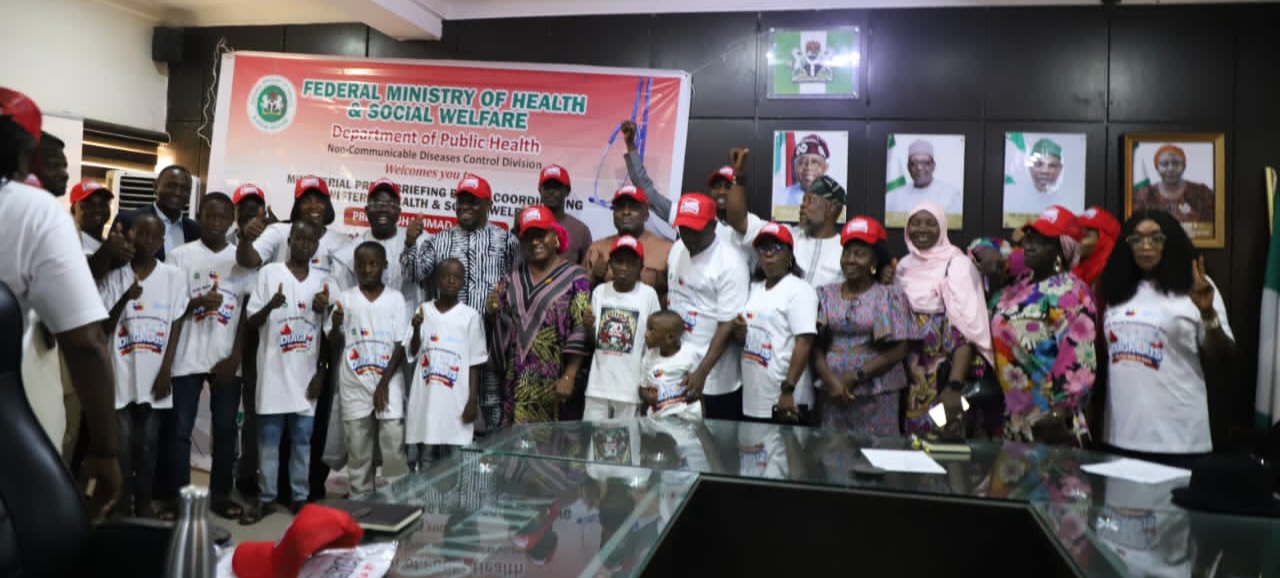
The Coordinating Minister of Health and Social Welfare, Professor Muhammad Ali Pate, disclosed this during a press briefing to commemorate the 2026 World Haemophilia Day in Abuja.
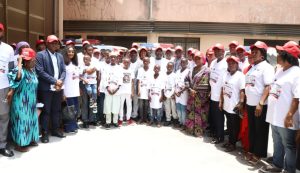
Represented by Dr. Kamil Shoretire, Permanent Secretary Designate and Director of Health Planning, Research and Statistics, the Minister expressed concern over the estimated 21,101 Nigerians living with haemophilia, noting that only about 3 percent have been diagnosed—an indication of significant under-diagnosis and gaps in effective management.
He highlighted that inadequate knowledge among healthcare providers about haemophilia and its management remains a major public health concern, contributing to increased morbidity and mortality.
Pate noted that the 2026 World Haemophilia Day theme, “Diagnosis: The First Step to Care,” aligns with Nigeria’s health priorities, stressing that no patient can receive appropriate treatment without accurate diagnosis.
He emphasized that early diagnosis for individuals with haemophilia and other inherited bleeding disorders can mean the difference between life and preventable complications, disability and productivity, as well as despair and hope.
The Minister added that the event provides an opportunity to strengthen diagnosis as the entry point into the full continuum of care—from treatment and rehabilitation to prevention and long-term management—while also empowering affected individuals and families through awareness and support systems.

As part of government efforts, he announced the launch of the National Bleeding Disorders Registry. He further revealed that, in collaboration with the World Federation of Haemophilia (WFH) and the Haemophilia Foundation of Nigeria (HFN), the government will flag off the “Road to Clot Initiative,” aimed at identifying undiagnosed individuals, linking them to diagnostic and treatment centres, and ensuring access to long-term care.
Addressing the socio-economic and psychological burden associated with haemophilia and other inherited bleeding disorders, Pate said the government has introduced several policies and strategic interventions. These include the development of National Guidelines for Inherited Bleeding Disorders to standardize care across all levels of the healthcare system.
He also noted the establishment of a Multi-sectoral Action Programme (MSAP) Technical Committee involving various Ministries, Departments and Agencies to tackle non-communicable diseases, alongside ongoing advocacy and awareness campaigns on genetic counselling and testing.
The Minister called on stakeholders—including the media, civil society, and communities—to support awareness efforts and actively participate in the initiative to reduce the burden of inherited bleeding disorders in the country.
In her goodwill message, Megan Buckie Adediran, Executive Director of the Haemophilia Foundation of Nigeria, described the day as a reflection of the journeys, struggles, and victories of individuals living with bleeding disorders. She commended healthcare workers and partners for their dedication to improving access to care, expressing optimism that Nigeria can become a country where affected individuals live full and dignified lives.
Also speaking, Professor Theresa Nwagha, Vice President (Medical) of the Foundation, said the “Road to Clot: Reaching the Undiagnosed” programme marks a significant step toward achieving health equity for people with rare blood disorders. She explained that the initiative will focus on community-based screening, improved diagnostic capacity, and strengthening the national registry in alignment with national health goals.
The event also featured the launch of five ambulances to support the initiative, aimed at reaching underserved and hard-to-access communities to identify, diagnose, and provide care for individuals living with haemophilia and other bleeding disorders.