

NISO Marks One Year, Targets Grid Stability, Market Reform, Regional Power Expansion
By Raphael Ekpang
Abuja (Core Reporters), The Nigerian Independent System Operator (NISO) has marked its first anniversary, highlighting significant progress in power sector reforms while setting ambitious targets to improve grid stability, market transparency, and investor confidence.
Established under the Electricity Act 2023 and carved out of the Transmission Company of Nigeria, NISO is responsible for system operations, market administration, system planning, and enforcement of grid and market regulations.

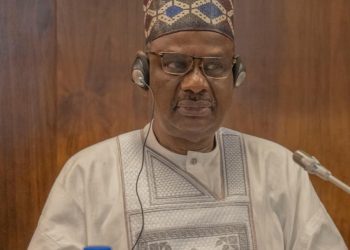
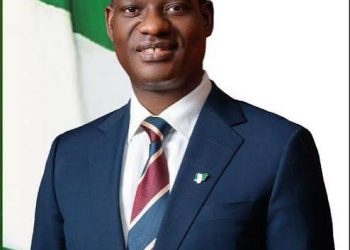
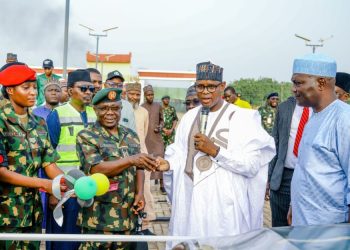
At the anniversary event held at its corpotate headwuartets in Abuja on Wednesday, the Managing Director/CEO, Engr. Abdu Mohammed Bello, described the past year as a critical phase of institutional development and sector-wide impact, noting that its mandate is central to ensuring a stable grid, a credible electricity market, and coordinated planning for national growth.
Over the past year, Bello said the organisation has strengthened governance structures, improved coordination across the electricity value chain, and promoted accountability and professionalism within the sector.
On operations, NISO reported progress in enhancing grid visibility through the deployment of SCADA/EMS, telemetry systems, and IoT-enabled metering infrastructure, which are expected to enable real-time monitoring and improve market settlements.
The agency also disclosed ongoing efforts to improve grid stability, including enforcement of Free Governor Mode operations for generating units, enhanced protection coordination, and plans to segment the national grid into operational “islands” to prevent widespread system collapses.
Emphasising efficiency, Bello revealed that transmission losses have reduced from nearly 10 percent to about 7 percent, with a target of lowering losses further to between 5 and 6 percent.
On market development, he said NISO has strengthened compliance with market rules, improved coordination among stakeholders, and upgraded systems to support real-time operations and data-driven decision-making. He added that the operator is also aligning emerging state electricity markets with the national grid.
NISO further reported progress in long-term planning, including the development of Nigeria’s Integrated Resource Plan, transmission expansion strategies, and studies supporting renewable energy integration and battery storage systems.
The agency also announced plans for supergrid investments and the establishment of a centralized data centre to improve system operations, enhance data transparency, and attract investment into transmission infrastructure.
To address generation challenges, Bello said NISO is working closely with gas suppliers and other stakeholders to resolve supply constraints affecting electricity output.
While on regional integration, the NISO boss highlighted the successful synchronization of Nigeria’s grid with the West African Power Pool in November 2025, a move expected to boost cross-border electricity trade, enhance grid resilience, and create new revenue opportunities.
Despite these gains, Bello acknowledged ongoing challenges such as market liquidity constraints, infrastructure gaps, and renewable energy integration, noting that targeted reforms and stronger enforcement are underway to address them.
“Our performance will be measured by three key outcomes: a stable national grid, a credible electricity market, and strong investor confidence driven by transparency and accountability,” he said.
The NISO boss emphasised that while a solid foundation has been laid, greater responsibilities lie ahead, calling for sustained collaboration among government, regulators, industry players, and development partners, including the World Bank and the African Development Bank.
He expressed confidence that ongoing reforms will translate into measurable improvements in electricity supply, stressing that NISO remains committed to building a resilient power sector capable of driving Nigeria’s economic growth.