
Nigeria Backs Women-Led Businesses to Propel $1 Trillion Economy Goal
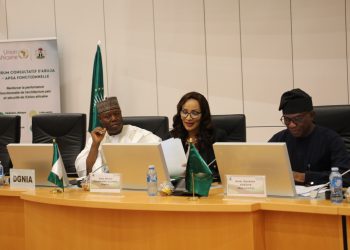
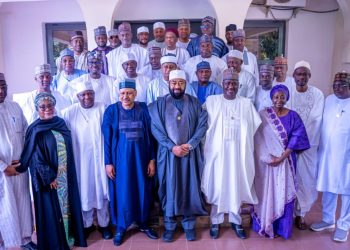
Nigeria Government has reaffirmed its commitment to placing women at the heart of Nigeria’s industrial expansion and continental trade ambitions, as senior officials, policymakers and private sector leaders gathered in Abuja for a high-level colloquium on unlocking opportunities for women-led enterprises under the African Continental Free Trade Area (AfCFTA).
Convened by the Federal Ministry of Industry, Trade and Investment, the event explored strategies to strengthen access to finance, expand market opportunities and position Nigerian businesses—particularly those led by women—to compete effectively across Africa’s rapidly integrating market.
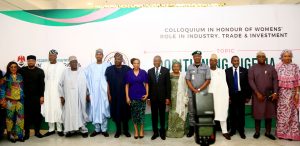
Delivering the keynote address, the Minister of Industry, Trade and Investment, Dr. Jumoke Oduwole, described AfCFTA as one of the continent’s most transformative economic opportunities, linking more than 1.3 billion people in a market valued at over $3 trillion.
She noted that Nigeria stands to gain significantly if women entrepreneurs are intentionally supported to scale beyond national borders.
“This conversation is fundamentally about capital and opportunity,” the Minister said. “When women-led enterprises have access to finance, markets and the right institutional support, they become powerful engines of industrial growth, job creation and trade expansion.”
Speaking in the context of International Women’s Day and its theme, “Give to Gain,” Dr. Oduwole emphasised that inclusive growth requires deliberate collaboration among government, investors and the private sector. Expanding opportunities for women entrepreneurs, she argued, is not only a matter of inclusion but also a strategic pathway to Nigeria’s $1 trillion economy ambition through stronger exports, deeper industrial capacity and greater participation in continental trade.
The Minister of State for Industry, Senator John Owan Enoh, described the moment as defining for Nigeria’s industrial growth within Africa. While AfCFTA has created the world’s largest free trade area by participating countries, he said, real gains will depend on building competitive industries capable of producing and exporting at scale.
“Trade agreements alone do not industrialise nations,” he said. “Nigeria’s leadership within AfCFTA will depend on the strength of our industries and the competitiveness of our enterprises.”
Senator Enoh observed that although women play significant roles in agriculture, retail, textiles and manufacturing value chains, many women-led businesses still face structural barriers to financing and market access.
“If Nigeria is to lead AfCFTA, we must unlock the productive potential of women-led enterprises at scale,” he added.
Minister of Women Affairs, Hajiya Imaan Sulaiman-Ibrahim, stressed that harnessing AfCFTA requires integrating gender-responsive policies into trade frameworks. She highlighted the need for simplified business registration, improved documentation and inclusive procedures that allow women entrepreneurs to formalise and scale their businesses.
“We must remove barriers that limit women’s participation in trade and enterprise,” she said. “Empowering women economically is not only fairness—it is a strategic investment in Nigeria’s prosperity.”
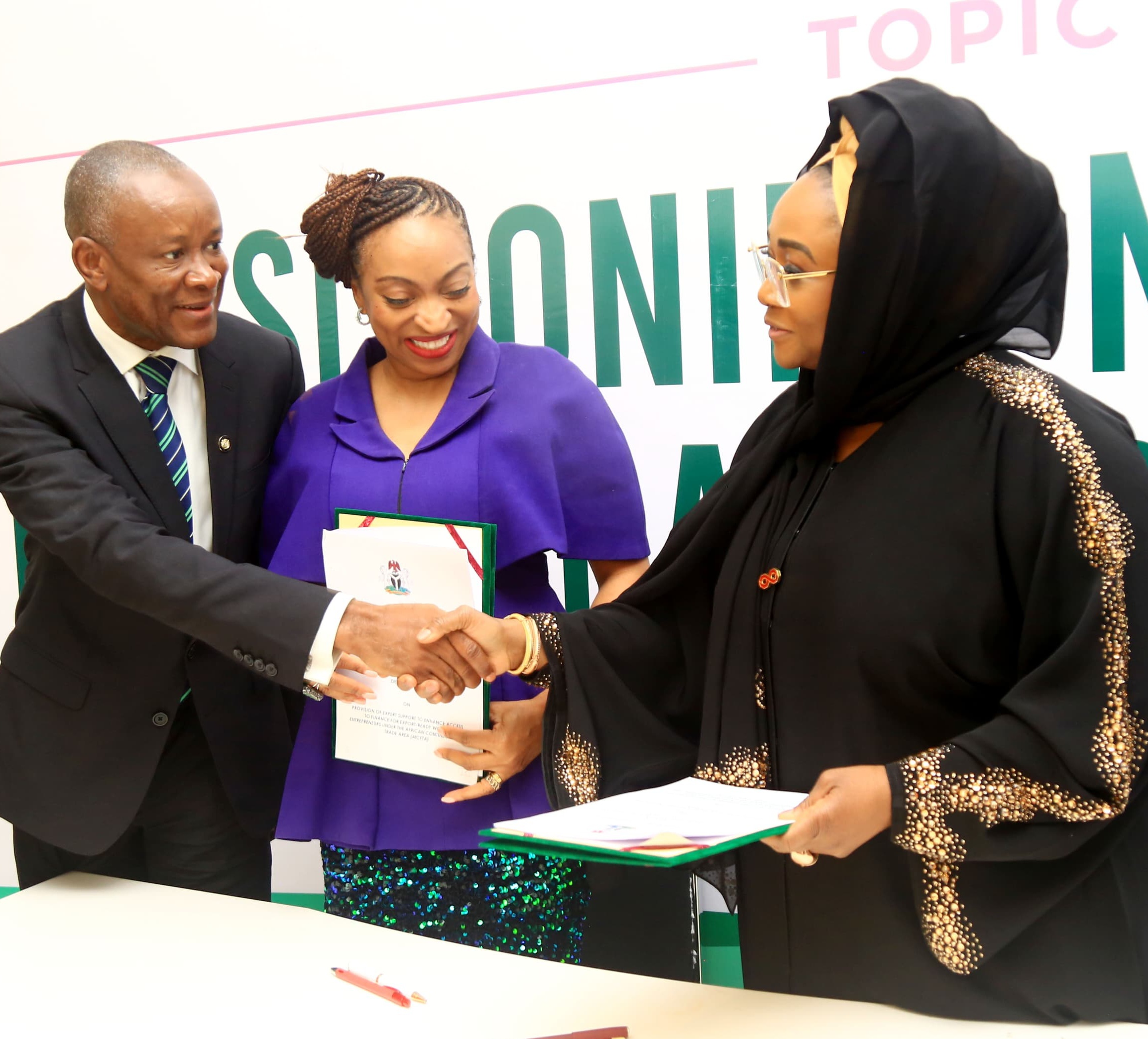
She announced the signing of a Memorandum of Understanding between the Ministries of Women Affairs and Industry, Trade and Investment to expand access to finance for export-ready women entrepreneurs. The partnership will support export readiness training, digital trade capacity and a national database of women-owned enterprises.
Head of the Civil Service of the Federation, Mrs. Didi Esther Walson-Jack, commended the Ministry for highlighting women’s central role in economic development and Nigeria’s intra-African trade ambitions.
“Across the continent, women continue to drive innovation, entrepreneurship and enterprise development,” she said. “Their full participation will be critical to AfCFTA’s success and Nigeria’s broader transformation.”
Earlier, in a welcome address delivered for Permanent Secretary Amb. Nura Abba Rimi, the Director of Investment Promotion, Mrs. Gertrude Orji, described the colloquium as timely for strengthening collaboration among government, investors and private sector stakeholders.
“Our objective is clear,” she said. “By supporting women entrepreneurs with finance, markets and policy support, Nigeria can unlock new growth while building stronger value chains across the continent.”
The colloquium ended with renewed commitment from policymakers, development partners and private sector leaders to translate discussions into policies, programmes and partnerships that accelerate industrialisation, expand market access and empower Nigerian women-owned enterprises to thrive under AfCFTA.