
Updated: Ministry of Health Unveils Nigeria Strategic Directions for Nursing and Midwifery Document–Core Reporters
By Raphael Ekpang
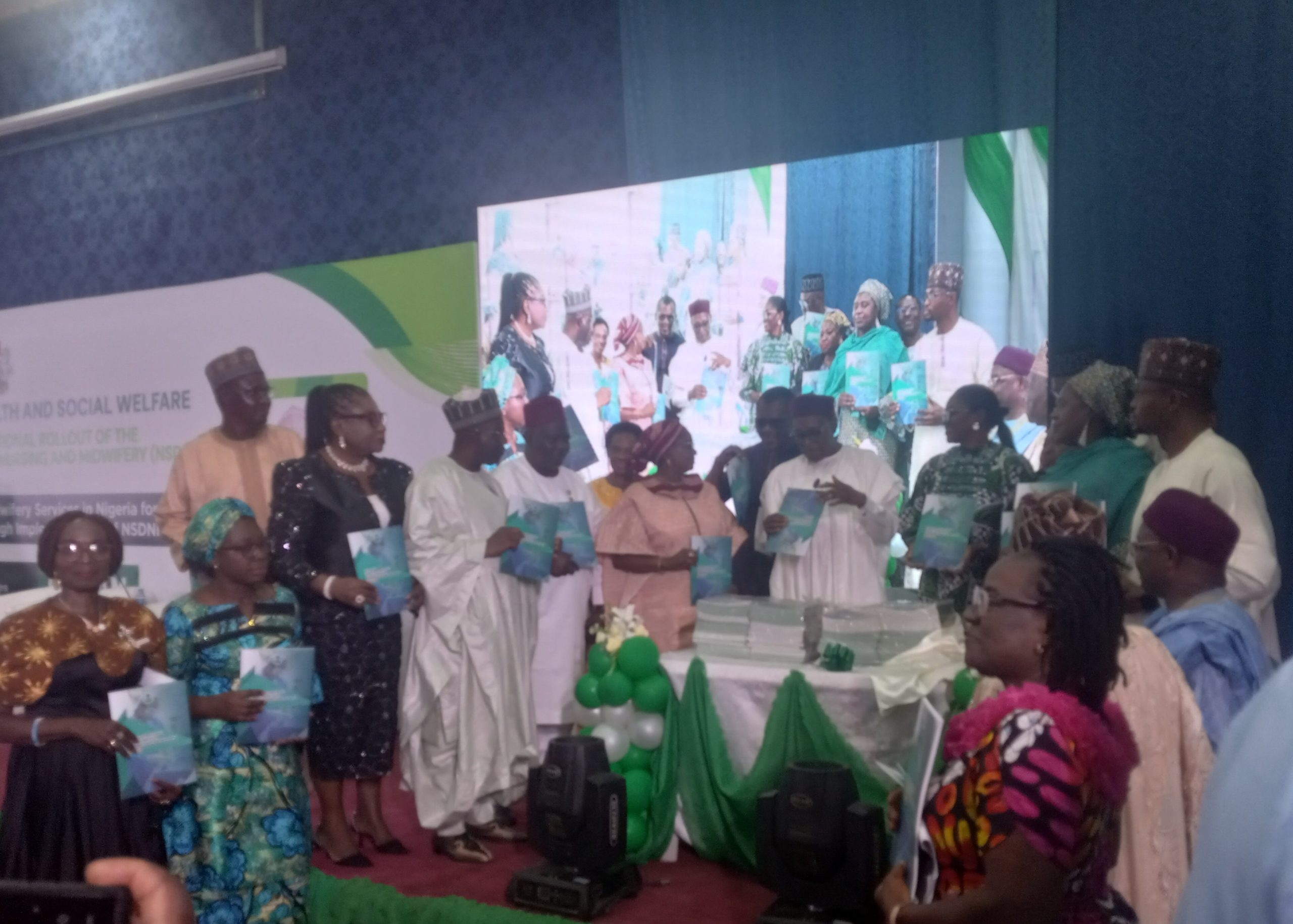
Abuja (Core Reporters) Nigeria Federal Ministry of Health and Social Welfare, has unveiled the Nigeria Strategic Directions for Nursing and Midwifery (NSDNM) 2025-2030.
The Coordinating Minister of Health and Social Welfare, Prof. Mohammed Ali Pate while unveiling the NSDNM commended the resilience of Nurses in Nigeria while assuring them of the government’s unwavering commitment to providing the enabling environment for them to strive in the country.
The NSDNM was unveiled on Thursday, October 9, 2025, at the NAF Conference Center in Abuja. The Theme: “Strengthening Nursing and Midwifery Services in Nigeria for Universal Health Coverage through implementation of NSDNM)”
The Prof. Pate while unveiling the NSDNM said nursing and midwifery enrolment in Nigeria has been expanded from 28,000 in 2023 to 115,000 in 2025.
He also said 69,000 frontline health workers have been retrained, with 20,000 more recruited, of which 60% were nurses and midwives.
“Our fight for a stronger health system cannot succeed without empowering nurses and midwives,” Prof Pate said.
He noted that Nigeria was the first country in West Africa to adopt the Best Practice Frontline Organisation Model, developed in collaboration with the Registered Nurses Association of Ontario, Canada, to improve leadership and retention among frontline workers.
The unveiling of the NSDNM 2025-2030 is a significant step towards strengthening the country’s health system. This initiative aligns with the World Health Organization’s (WHO) Global Strategic Directions for Nursing and Midwifery, which aims to ensure nurses and midwives optimally contribute to achieving universal health coverage and population health goals.
The NSDNM 2025-2030 will focus on expanding training opportunities to address critical gaps in specialist skills for nurses and midwives. Creating employment opportunities, managing migration, and retaining healthcare professionals in areas of greatest need.
It will also Strengthen nursing and midwifery leadership throughout health and academic systems. Ensuring nurses and midwives are supported, respected, and equipped to deliver high-quality care.
However, by implementing these strategic directions, Nigeria can potentially improve healthcare outcomes, increase access to quality healthcare services, and reduce the shortage of skilled healthcare professionals. Given the global shortage of 4.5 million nurses and 0.31 million midwives projected by 2030, this initiative is both timely and crucial for Nigeria’s healthcare development
Also speaking, the Senate Committee Chairman on Health, Dr. Senator Ipalibo Banigo assured of the lawmakers readiness to support the NSDNM with the needed policy for a smooth implementation of the document.
She commended the coordinating minister of health and social development, Prof Pate for giving attention to plights of Nigerian Nurses and Midwives.
Senator Banigo noted that the policy document is a roadmap to strengthen healthcare delivery and transform the nursing profession nationwide.
Earlier, the Permanent Secretary of the Ministry of Health and Social Welfare, Daju Kachollum represented by Teshoma Dafeta, Director, Human Resources, said the plan is a living document designed to reform nursing education, create jobs, and empower leadership across all levels.
She emphasised the need for collaboration and called on states, professional bodies, and universities to join efforts to achieve real progress.
The unveiling was graced by the executives, legislators, development partners such as the World Health Organisation (WHO) among others.
Dr Mary Brantuo, who represented WHO, disclosed that globally, there could be a shortage of 4.8 million nurses by 2030, with Africa hardest hit.
She described the strategy as timely and pledged WHO’s continued technical and policy support for the implementation of the plan.
Meanwhile, the Keynote Speaker, Professor Saleh Garba noted that nurses and midwives make up nearly 60% of the global health workforce, yet Nigeria faces a severe shortage, with one nurse serving about 1,260 people, far below the World Health Organization (WHO) standard of 1:1,000.
He described the plan as a lifeline for a profession grappling with brain drain and poor working conditions.
“Without investment in human resources, infrastructure, and fair pay, we cannot retain our talent,” Garba warned, noting that the plan is key to achieving universal health coverage and reducing maternal and child mortality “ he said.