

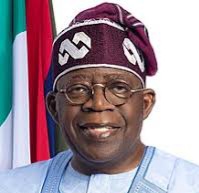
Nigeria Dismisses Allegations of Religious Persecution
Abuja (Core Reporters) The Nigerian government has denied allegations of religious persecution, stating that the country’s security challenges are not driven by religious bias.
According to a press statement by the Acting Spokesperson of the Ministry of Foreign Affairs, Kimiebi Imomotimi Ebienfa, the government acknowledges the security issues but emphasizes that they are complex and multifaceted, manifesting as criminality, terrorism, and communal clashes ¹.
The government has taken steps to address these concerns, including deploying security forces, gathering intelligence, and engaging with communities. They have also established a Ministry of Livestock Development and appointed a Special Adviser to find sustainable solutions to pastoral farming and end disputes over land between farmers and herders.
It’s worth noting that Nigeria has a complex history of religious conflict, with tensions between Muslims and Christians dating back to the 1950s. However, the government maintains that the country remains a beacon of religious tolerance and coexistence in Africa .
The statement reads, “The government of Nigeria, under the leadership of President Bola Ahmed Tinubu, has taken significant steps to address these security concerns, including the deployment of security forces, intelligence gathering and community engagement initiatives. Indeed, the military has recorded substantial gains in curtailing the activities of bandits and insurgents. To bring an end to such security challenges, both the Federal and State authorities have embarked on kinetic and non-kinetic methods and expedited the implementation of the national livestock plan.
“To this end, a Ministry of Livestock Development has been established while a Special Adviser and Coordinator of Livestock Reforms, has been appointed to find sustainable solutions to pastoral farming, with a view to end contestations over land, between farmers and pastoral herders.
“The Ministry of Foreign Affairs, therefore, urges the international community to exercise caution and verify information before drawing conclusions or making statements that could exacerbate tensions within Nigeria. We call on all stakeholders, including the media, civil society organizations and foreign partners, to refrain from spreading unverified claims that could undermine national unity and stability, the statement said.