
NHRC Boss Advocates Stronger Protection for Women in Detention at Africa Conference
By Core Reporters
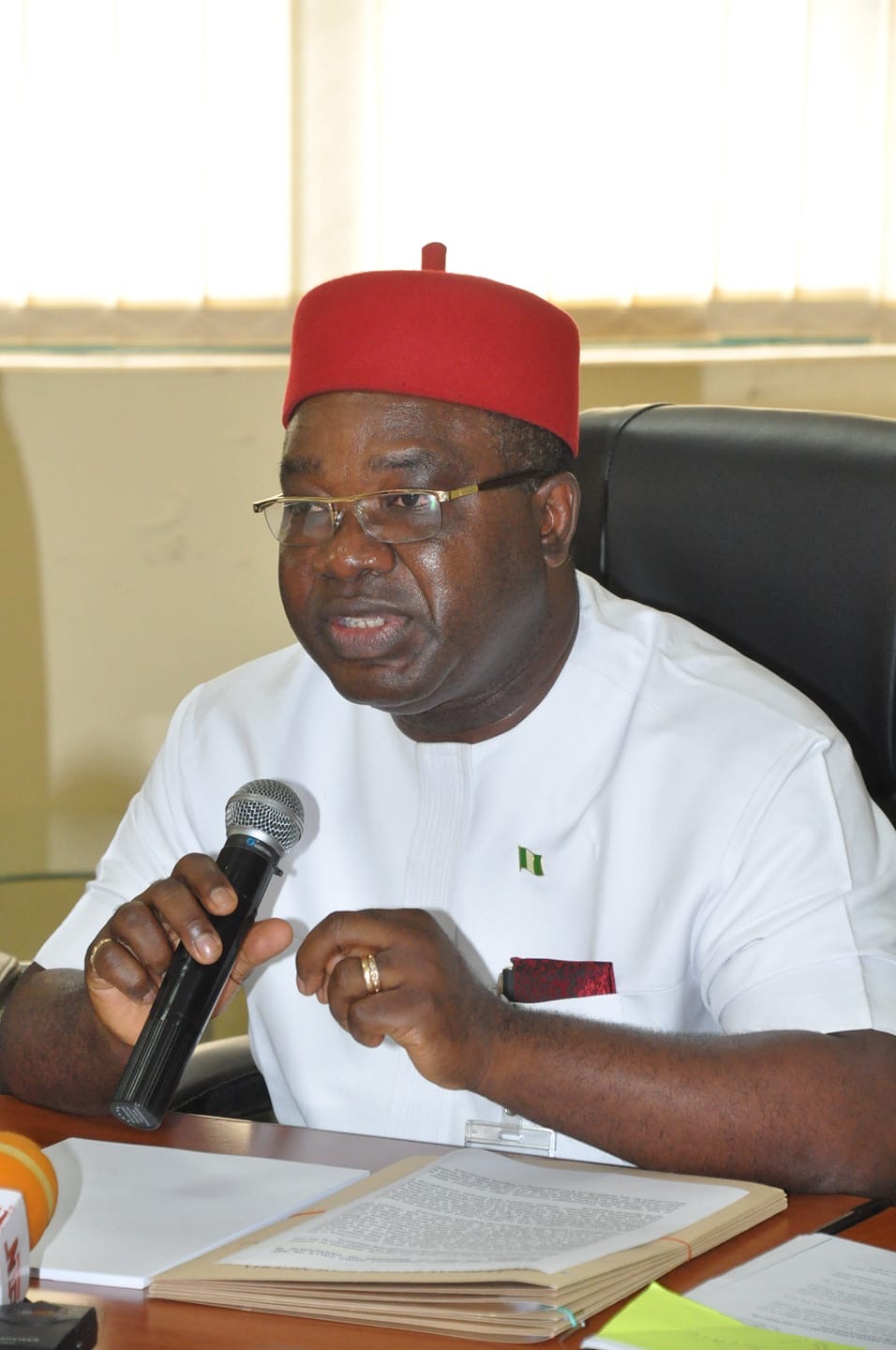
Kigali (Core Reporters) The Executive Secretary of the National Human Rights Commission (NHRC), Dr. Tony Ojukwu (SAN) has called for stronger safeguards for women in detention while chairing a high-level session at the 4th Annual Conference of the African National Preventive Mechanisms Network in Kigali, Rwanda.
The conference, held from June 24 to 26, 2026, brought together experts from the UN Subcommittee on Prevention of Torture, the Association for the Prevention of Torture, National Preventive Mechanisms, National Human Rights Institutions, and civil society organisations from across Africa.
Dr. Ojukwu, who also chairs Nigeria’s National Preventive Mechanism (NPM), moderated discussions on the theme, “Advancing Detention Monitoring in Africa: Regional and Global Perspectives on Prison Conditions and the Protection of Women in Detention.”
Speaking during the session, he underscored the importance of effective monitoring of detention facilities as a critical tool for preventing torture and other forms of ill-treatment.
He noted that women deprived of liberty face distinct vulnerabilities and urged African governments to strengthen preventive mechanisms and oversight of detention centres.
The NHRC Executive Secretary also advocated increased adherence to international standards, particularly the United Nations Bangkok Rules governing the treatment of women prisoners and the Nelson Mandela Rules, which set minimum standards for the treatment of all inmates.
The session provided an avenue for participants to exchange best practices and innovative strategies aimed at improving prison conditions and safeguarding the dignity of persons deprived of their liberty, with special attention to women in detention.
Nigeria’s active participation in the conference further demonstrates the NHRC’s commitment, in its capacity as the country’s National Preventive Mechanism, to advancing torture prevention, enhancing detention conditions, and promoting human rights protection in line with regional and international obligations.