
Fear and Democracy: The Battle Over Electronic Transmission of Results in Nigeria
By Amb. Anderson Osiebe.
As Nigeria gears up for the crucial 2027 general elections, a fierce political controversy has erupted over electronic transmission of election results, a reform widely seen by civil society, opposition parties, and activists as essential to ensuring transparent, credible elections.
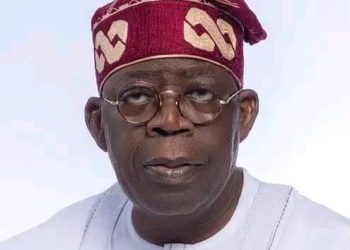
At the heart of the debate lies a provocative question: “What is President Bola Tinubu and the ruling All Progressives Congress (APC) afraid of, despite controlling the presidency, the National Assembly, and 30+ state governorships?”
The controversy flared in early 2026 when the National Assembly considered amendments to the Electoral Act 2022 ahead of the 2027 polls. Civil society groups, along with opposition leaders like Peter Obi, demanded that the law be amended to mandate real-time electronic transmission of results from every polling unit to the central result portal known as the IREV system.
Electronic transmission is widely regarded as a tool that reduces opportunities for human manipulation of results during the long physical journey from polling units to collating centres, a problem that has historically plagued Nigerian elections.
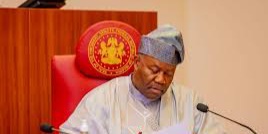
However, the Senate initially rejected making e-transmission mandatory, opting instead for a provision that allowed electronic transmission with fallback to manual result sheets, giving room for discretion and exceptions.
Critics, including former ministers, opposition figures, and civil rights activists responded with outrage.
At demonstrations in Abuja, Rotimi Amaechi, former minister and elder statesman, asked publicly: “What are they afraid of? I thought they said they have 31 governors.” suggesting that if the APC truly believed in its widespread support, it should embrace reforms that enhance transparency rather than resist them.
Similarly, senator Dino Melaye highlighted the apparent contradiction of a party that conducts digital member registration but resists electronic transmission for election results, concluding the resistance signals anxiety despite political dominance.
Opposition parties like the African Democratic Congress (ADC) have openly accused the APC and the Senate of plotting to “undermine” and “rig” the 2027 elections by blocking genuine transparency reforms, claiming that fear of losing elections explains their stance.
Government and APC Position: Practical Challenges or Political Strategy?
The APC and the Senate have framed their position as informed by practical realities, such as concerns over Nigeria’s uneven Internet and network coverage across rural and remote areas, which can affect consistent real-time transmission. Some party strategists have also cited cybersecurity vulnerabilities, such as risks of hacking and possible disputed outcomes arising from tech glitches, though opponents argue these issues can be mitigated.
The presidency, through its media office, has indicated that President Tinubu will take a “measured decision” on the matter, reflecting a cautious or incremental approach rather than an outright embrace of mandatory e-transmission.
Public Outrage and Civil Society Response.
The unfolding drama has spilled onto the streets of Abuja and beyond. Civil society groups under the banner of Occupy National Assembly joined by political figures like Amaechi and supporters of the Labour Party have staged protests demanding that mandatory e-transmission be restored to the Electoral Act.
Demonstrators argue that without real-time transparency, Nigerians cannot trust election results to reflect the will of the voters.
Opposition leaders have also invoked memories of the 2023 general elections, during which transmission of results from polling units was halted due to technical glitches, contributing to widespread mistrust and legal challenges.
They argue that mandating electronic transmission de-politicises the process, leaving less room for contested figures and post-poll strategizing.
Politics or Principle?.
Ultimately, the question “what are Tinubu and the APC afraid of?” reflects a deeper political tension between institutional power and democratic legitimacy.
For critics, resistance to a mechanism that promises greater transparency despite overwhelming political control suggests a subconscious fear of losing face if elections are genuinely incontestable.
Supporters of reform see a paradox: a party confident in its popularity should have no reason to obstruct measures that would make fraud harder and legitimacy clearer. Instead, they argue, obstruction fuels suspicion that the current balance of power may not translate into free and fair electoral outcomes.
Looking Ahead to 2027.
As Nigeria’s political calendar accelerates toward next year’s polls, the debate over electronic transmission is shaping up to be one of the defining issues of the moment. It encapsulates not just competing legal interpretations of electoral law, but core questions about trust, transparency, and the character of Nigeria’s democracy going forward.
Whether President Tinubu and the APC will ultimately embrace broader reforms or cling to more traditional processes remains one of the most intriguing political questions of 2026, a test not just of power, but of faith in the democratic process.
Amb. Anderson Osiebe is the Executive Director, HallowMace Foundation Africa and writes from Abuja.