
Electricity Must Be Measured by Economic Impact, Not Megawatts – Power Minister
By Raphael Ekpang
Abuja (Core Reporters) The Federal Government has unveiled a renewed strategy to transform Nigeria’s agricultural sector through rural electrification, declaring that access to electricity must drive economic productivity, job creation and food security, rather than merely increase power connections.
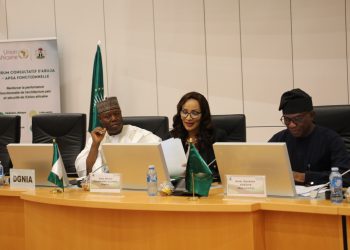
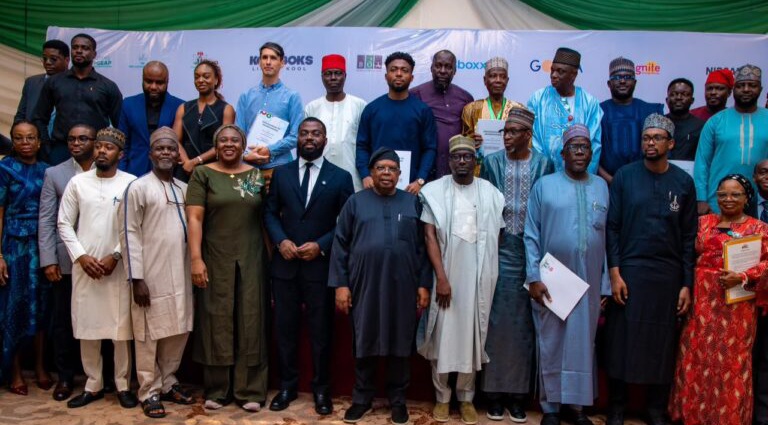
Minister of Power, Joseph Tegbe, made this known on Thursday, July 16, at the Stakeholders’ Engagement Workshop on Productive Use of Energy (PUE) in Abuja. The event brought together government agencies, the Rural Electrification Agency (REA), the ECOWAS Commission, development partners, financiers, manufacturers, farmers’ associations and members of the diplomatic community to develop a coordinated framework for powering agricultural productivity across Nigeria.
Tegbe said rural electrification should be viewed as a catalyst for expanding economic opportunities and supporting enterprise development in underserved communities.
He stressed that the impact of electricity should no longer be measured solely by the number of megawatts generated or households connected, but by its capacity to power irrigation systems, agro-processing facilities, cold storage infrastructure and rural businesses.
According to the minister, the Productive Use of Energy initiative aligns the objectives of energy access, agriculture, industrialisation, financial inclusion, food security and employment generation into a single development agenda.
He lamented the significant economic losses recorded between harvest and market due to inadequate cold storage facilities, limited processing capacity and the high cost of energy-intensive equipment.
Tegbe noted that investments in productive energy infrastructure would reduce operating costs for farmers, create new financing opportunities for financial institutions, expand markets for equipment manufacturers and increase government revenue through enhanced rural economic activities.
He called on stakeholders to deepen collaboration and position Nigeria as Africa’s leading market for productive-use energy solutions.
In his welcome address, the Managing Director and Chief Executive Officer of the Rural Electrification Agency (REA), Abba Abubakar Aliyu, described the initiative as a long-term strategy to build a sustainable energy ecosystem for agriculture, rather than a one-off intervention.
Aliyu said smallholder farmers as well as micro, small and medium-sized enterprises (MSMEs) remain at the heart of Nigeria’s food production system, adding that the REA has developed more than 120 bankable projects under its Energising Agriculture Programme.
He disclosed that the Distributed Access through Renewable Energy Scale-up (DARES) Programme has earmarked $250 million for standalone solar systems, $100 million for solar-as-a-business initiatives and $50 million for productive-use equipment to support rural enterprises.
The Minister of Agriculture and Food Security, represented at the event, pledged the ministry’s support for the initiative, while a representative of the ECOWAS Commission reaffirmed the regional body’s commitment to promoting energy-driven agricultural transformation across West Africa.
The workshop is the first in a series of planned stakeholder engagements that will focus on financing models, technology standards and deployment strategies for productive-use equipment. Participants expressed confidence that the initiative would attract investment, stimulate innovation, strengthen agricultural value chains and improve incomes across rural communities.