Deprecated: Function WP_Dependencies->add_data() was called with an argument that is deprecated since version 6.9.0! IE conditional comments are ignored by all supported browsers. in /home/corerepo/public_html/wp-includes/functions.php on line 6260 NISO Board Chairman Says Control Centre Critical to Nigeria’s Electricity Reform - Core Reporters
NISO Board Chairman Says Control Centre Critical to Nigeria’s Electricity Reform
By Raphael Ekpang
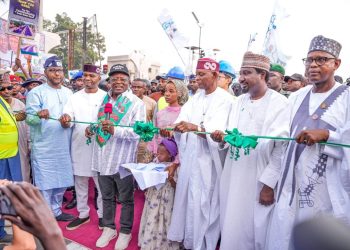
Osogbo (Core Reporters) — The Board Chairman of the Nigerian Independent System Operator (NISO), Dr. Adesegun A. Akin-Olugbade, has described the new ultra-modern National Control Centre (NCC) in Osogbo, Osun State, as critical institutional infrastructure for the ongoing transformation of Nigeria’s electricity sector.
Akin-Olugbade said the facility, whose construction was formally commenced on Wednesday, would strengthen NISO’s capacity to perform its statutory responsibilities of system operation, market operation and system planning under the Electricity Act 2023.
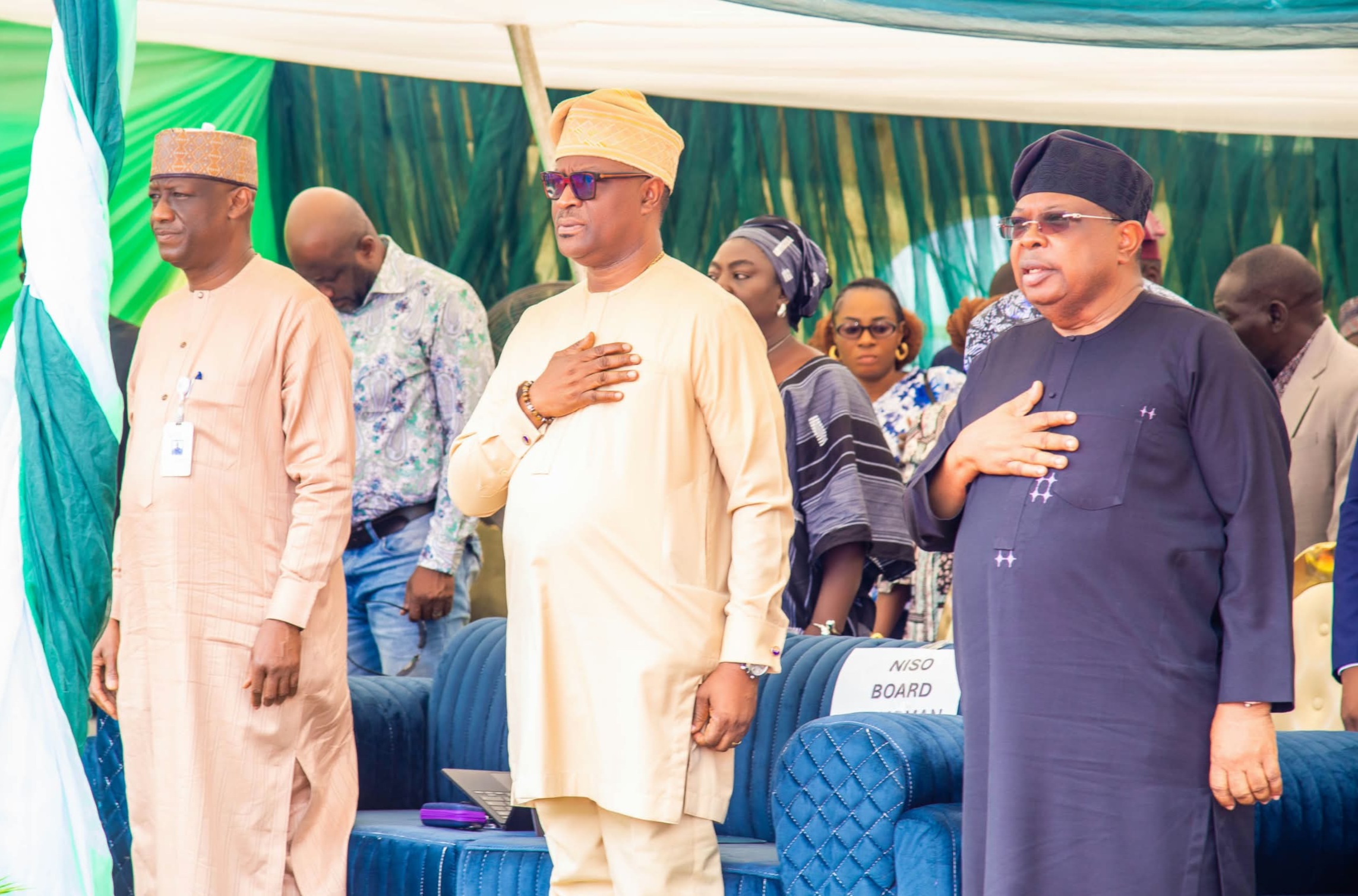
Speaking at the groundbreaking ceremony in Osogbo, the NISO Board Chairman said the significance of the project went beyond the construction of a new physical facility, stressing that it represented an investment in the institutional capacity required to manage Nigeria’s increasingly complex electricity system.
He said the establishment of NISO under the Electricity Act 2023 was part of deliberate reforms designed to strengthen the institutional architecture of the electricity industry through clear responsibilities, operational independence, effective governance and enhanced technical capacity.
According to him, the three core functions of NISO — Market Operation, System Operation and System Planning — are fundamental to the development of a modern electricity industry.
He explained that while Market Operation provides the framework for transparent and efficient administration of the electricity market, System Planning enables the sector to anticipate future needs and guide orderly development.
System Operation, he added, provides the real-time coordination required to maintain the security, stability and reliability of the interconnected power system.
Akin-Olugbade said the new National Control Centre would therefore constitute a critical component of the institutional framework required to give practical effect to the ongoing electricity-sector reforms.
“The ability to observe the national grid in real time, coordinate system resources, manage contingencies and maintain system security is fundamental to the credibility and effectiveness of the electricity market,” he said.
The NISO Board Chairman stressed that the success of electricity-sector reform would depend not only on infrastructure but also on governance, competent personnel, sound procedures and accountability.
He said the Board was committed to ensuring that the independence of System Operation and Market Operation was supported by institutional systems that promote neutrality, transparency, professionalism, accountability and consistency in decision-making.
Akin-Olugbade noted that NISO operates within an electricity market involving generators, transmission service providers, distribution companies, consumers, regulators, government institutions and other market participants.
He said the organisation must therefore administer its mandate professionally and impartially, in accordance with the applicable legal and regulatory framework and in the overall interest of a secure and efficient electricity system.
The Board Chairman also linked the project to Nigeria’s broader economic development, noting that reliable electricity remained essential to manufacturing, commerce, telecommunications, healthcare, education, agriculture, digital services and other productive activities.
He said strengthening the security and resilience of the national electricity system was consequently an investment in Nigeria’s economic competitiveness.
Akin-Olugbade further stressed the regional importance of NISO’s evolving responsibilities, given Nigeria’s participation in the West African Power Pool (WAPP) and the increasing integration of the country into the regional electricity architecture.
He recalled the successful synchronisation test involving Nigeria’s power system and WAPP on November 8, 2025, saying regional interconnection would create opportunities for electricity trading, greater system flexibility and more efficient utilisation of available resources.
However, he said the development would also impose greater demands on institutions responsible for system security and coordination of interconnected networks.
Akin-Olugbade said NISO must therefore develop capabilities capable of supporting both Nigeria’s domestic electricity system and the requirements of an increasingly interconnected West African power market.
He also identified human capacity as a critical component of the project, saying investment in sophisticated infrastructure must be matched by investment in professionals capable of operating and managing the systems effectively.
“A modern control centre requires modern professionals. The Board therefore considers investment in infrastructure and investment in people to be complementary components of the same institutional agenda,” he said.
He assured that the NISO Board would continue to provide the strategic direction and oversight required to ensure that the organisation remained aligned with its statutory mandate as the electricity industry evolves.
According to him, changes in regulatory frameworks, market structures, technology, generation sources and regional electricity integration require Nigerian institutions to continuously improve their capabilities.
The Board Chairman expressed appreciation to the Federal Government for its commitment to electricity-sector reform and development, and acknowledged the presence of Vice President Kashim Shettima at the ceremony.
He also commended the Osun State Government, Federal Ministry of Power, Nigeria Electricity Regulatory Commission, Bureau of Public Enterprises, Ministry of Finance Incorporated and other stakeholders for their contributions to the development of the electricity industry.
Akin-Olugbade appreciated the government and people of Osun State for hosting the national infrastructure and commended NISO management, staff, technical partners, consultants and other stakeholders whose efforts brought the project to the groundbreaking stage.
He said the ultimate significance of the NCC would not be measured by the physical structure alone but by the institutional capacity, operational capability and public value it would enable.
“Today, we are not simply breaking ground for a new building. We are strengthening an institution. We are investing in the infrastructure of electricity-sector reform. And we are laying part of the foundation for a modern Nigerian electricity system,” he said.
He reaffirmed the Board’s commitment to providing the governance, oversight and strategic direction necessary for NISO to effectively fulfil the responsibilities entrusted to it under the law.