

In it’s quest to unravel the cause of irregular migration of Nigerians, trafficking and smuggling of migrants, the National Human Rights Commission (NHRC) has identified economic and political vulnerabilities such as poverty, inequalities, conflict and human insecurity as the major triggers to the above listed.
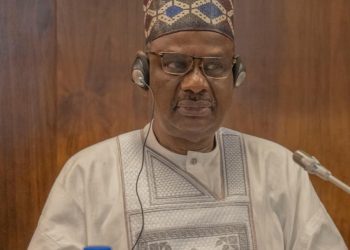
The Executive Secretary of the Commission, Chief Tony Ojukwu (SAN) stated this on Tuesday in Abuja during the NHRC staff training on human rights and migration. He observed that human rights are at the heart of migration and must be respected in compliance with international best practices.
NHRC scribe said, there is need to adopt a human rights-based approach in dealing with issues of migration since it extends to other core human rights such as the right to dignity, the right to adequate standard of living, the right to quality health and education amongst others.
Ojukwu regretted that in today’s world, migrants face dehumanizing conditions, illegal arrests and prolonged detention, torture, inhumane and degrading treatment, life threatening conditions on land and sea and that such occurrences should be the concern of stakeholders.
The NHRC Boss however, called on stakeholders including the law enforcement agencies to pay more attention to irregular migration and smuggling across our borders, adding that it is important that we do not lose sight of trafficking within Nigeria, considering it socio-economic and human rights implications.
A press release from the Director, Corporate Affairs and External Linkages of the commission, Agharese Arase says the ES promised that the Commission will continue to work with partners within and outside government to strengthen policies and practices that impact on the human rights of migrants and victims of trafficking and smuggling of migrants.
The Executive Secretary who is a Fellow of Institute of Chartered Mediators and Conciliators (FICMC) underscored the importance of the two-day training programme to the staff of the Commission saying “as human rights advocates and frontline defenders, staff of the Commission stand on a strong legal and institutional footing to tackle this present and emerging styles of human rights violations.
In a similar way, the Senior Human Rights Adviser, Office of the UN High Commissioner for Human Rights (OHCHR) Adwoa Kufuor Owusu on his part said migration issues affect countless of lives of individuals and communities. She added that migration can transform societies positively but if not managed properly, the challenges of migration can lead to heinous human right violations.
According to Owusu, the training is to reaffirm commitments to core human rights principles of dignity, equality, and non-discrimination for everyone, everywhere regardless of migration status.
The training was attended by 29 senior and management staff of the NHRC across ten states of the federation with land and air borders through which migration can easily take place, similar training will soon be conducted for relevant stakeholders.