
By Raphael Ekpang
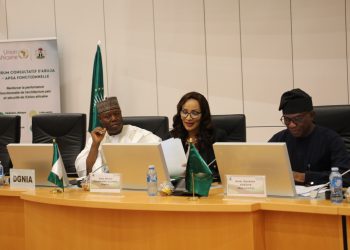
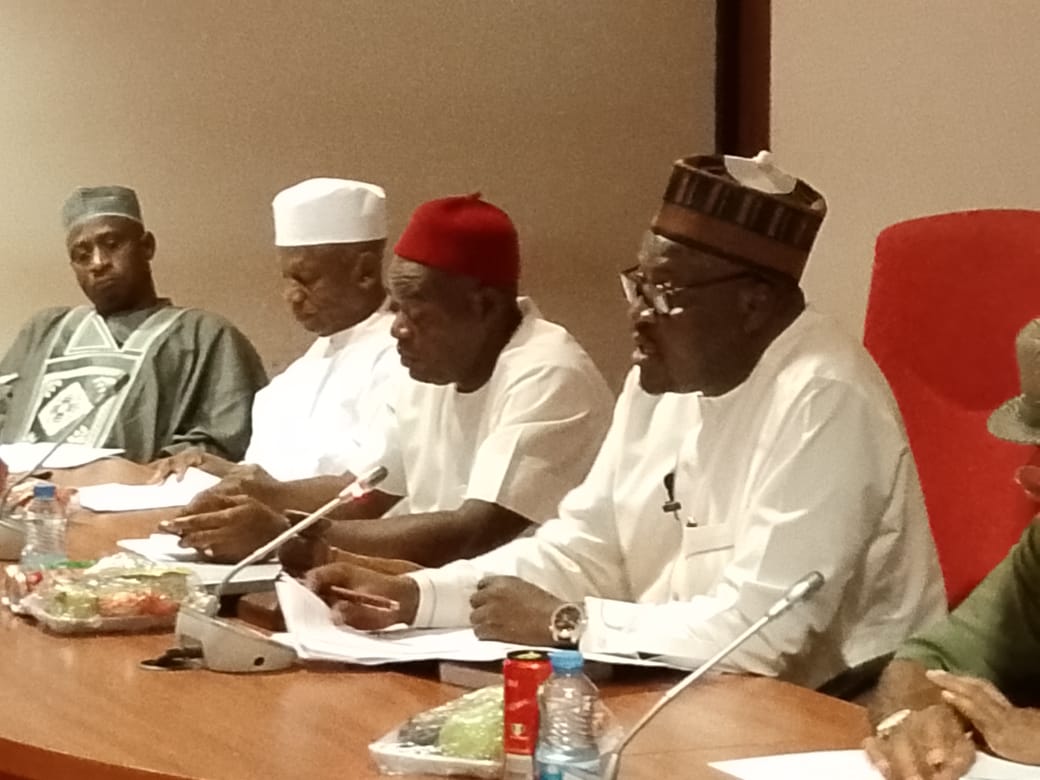
Abuja (Core Reporters) It was not an easy inaugural sitting of the Senate ad-hoc committee on Petroleum Refineries turnaround maintenance (TAM) as members vowed to exposed corruption in the maintenance culture of the refineries.
The committee chaired by Senator Kawu Sumaila (NNPP Kano South) During it inaugural meeting on Tuesday vowed not to leave any stone unturned in their bid to get the whike truth about the finances so far.
However, the committee resolved to commence a thorough investigation into the givernment refineries in Nigeria, which have been a significant drain on public finances,
Senator Kawu Sumaila while reading the committee mandate said their investigation staarts from 2010 to the present day, Noting that Nigeria is believed to have expended 11.35 billion naira, excluding additional costs in various currencies, amounting to 592 million dollars, 4,877 million euros, and 3,455,656.93 pounds on refinery renovations.
Senator Karimi Steve put forth a motion emphasizing the unproductive nature of the refineries, resulting in Nigeria spending nearly 6 trillion on subsidies from 2010 to 2020.
He expressed shock that despite the dilapidated condition of the refineries, the operational costs between 2010 and 2020 are estimated at 4.8 trillion naira, with a cumulative loss of 1.64 trillion naira over four years.
He said, “Consequently, a new committee was formed to investigate all contracts awarded for the refurbishment of state-owned refineries from 2010 to 2023.
“The committee aims to monitor progress on the ongoing refinery works to combat waste and corruption. It will also engage with the Federal Ministry of Petroleum Resources, NUPRC, NNPCL, and BPE to explore strategies for commercializing and enhancing the profitability of state-owned refineries.
“Additionally, representatives from NNPCL, NUPRC, and NLLG will be invited to discuss Nigeria’s preparations for transitioning to green energy sources in alignment with the Far East Agreement on Climate Change, to which Nigeria is a signatory.
“The implementation will involve ensuring the full involvement of the Nigerian midstream and downstream petroleum regulatory authority responsible for oil supply and demand. From the committee’s inception, I recall our on-site assessment visits to the four refineries,” he said.