
Nigeria (Core Reporters) The Senate has urged President Bola Ahmed Tinubu to urgently address food insecurity in the country as the President of the Senate, Godswill Akpabio revealed that the federal government has released about 60 trucks of fertilizer across the 36 states of the federation and the federal Capital Territory, Abuja, to be distributed to farmers in order to caution the effects of food insecurity in the country.
However, Akpabio, cautions that individuals and politicians should not halt the fertilizers nor take glory of it provision, stressing that it is not political parties’ affairs.
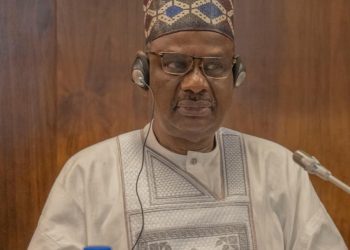
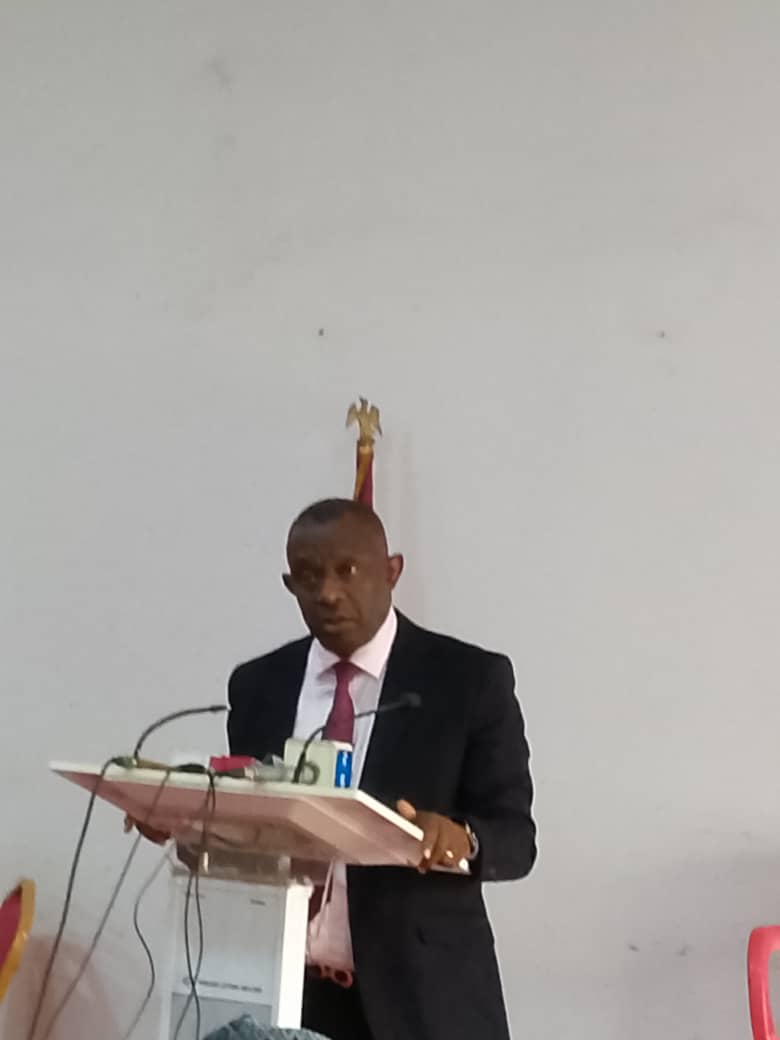
Consequently, Akpabio, while presiding over the plenary on Tuesday said the announcement of the trucks of fertilizer sent across the federation became necessary after he was briefed by the Committee Chairman on Agriculture and Rural Department, Saliu Mustapha, Sequel to the motion sponsored by Senator Karimi, Sunday Steve, representing Kogi West Senatorial District, and co-sponsored, by Senator Ndume, Mohammed Ali, representating Borno South senatorial district.
The motion titled: “Urgent Need to address Food Insecurity and Market Exploitation of Consumables in Nigeria.”
Sen. Karimi said that in the last few months, the price of goods and household consumables have been on an abysmal rise in the country, leading to a high rate of inflation, weakened buying power, and general worsening of living conditions of majority of Nigerians:
He further noted that the latest data by Nigeria’s National Bureau of Statistics (NBS) shows that food inflation in the country skyrocketed to 40.66 percent in a year-on-year basis, a significant increase from the 24.82 percent recorded in May 2023:
He lamented that current market price of food items such as beans, maize, rice paddy, yam, tomatoes, and onions which initially rose by about 40% after the removal of petroleum Subsidy has now increased to over 100% 10 300% without any attributable reason for the increase in prices
Karimi further stressed that aware that although insecurity in food-producing regions, had roads, increase in the cost of transportation attributable to the removal of fuel subsidy and depreciation of the value of Naira, are possible Factors that have contributed to the increase in price of Food items, Household Commodities, and Consumables; the percentage of increase in cost of transportation and son under factors listed above, is significantly less than the percentage increase in the current prices of goods all over the country,
He said “concerned that the greater percentage of the increase in prices of food items and consumables in the Country is not only due to these factors but to the zest of the merchants, traders, and retailers to make supernormal profits whilst they excuse the hike in price on these factors (depreciation of the Naita against the Dollar, Increase in price of Petroleum Products due to Fuel price increase and insecurity in farming Regions), thereby heaping all the blame on the Federal Government
“Notes that there is a general attitude of “Get Rich Quickly” or “Get Rich By All Means” leading many Nigerians to jettison “being their brother’s keeper” and exploiting one another to make abnormal profits: This attitude has been justified on the basis that many members of the Political Class, Technocrats, and Corporate Elites have helped themselves with Public Funds without any repercussions in Law, Nigerian Traders have thus resorted to Price Gouging to maximize profits:
“Notes that there are reports that Farming Communities in the Border Regions with other Countries, prefer to sell their food items abroad (to these neighboring countries), rather than domestically(to the hinterland), thereby increasing local food insecurity.”
He concluded that all efforts made by the current Federal Executive to arrest the consistent increase in food inflation have not yielded the desired results, there is need to be more pragmatic about addressing food insecurity, curbing herder farmer crises, kidnapping for ransom, and Terrorism, and ensure the development of a viable National Commodity Board to regulate the price of grains and ensure the elimination of artificial contributions to food and commodity inflation in Nigeria.”