
Senate: Bill to Regulate Articulated Vehicles, Enhance Road Safety Scales Second Reading
By Raphael Ekpang
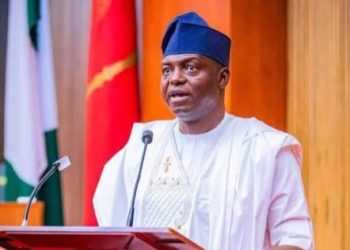
Abuja (Core Reporters) The Nigerian Senate on Tuesday passed for second reading an Articulated Vehicle Regulation Bill, 2025 (SB 655), a proposed legislation aimed at enhancing the safety and regulation of articulated vehicles and fuel tankers across the country
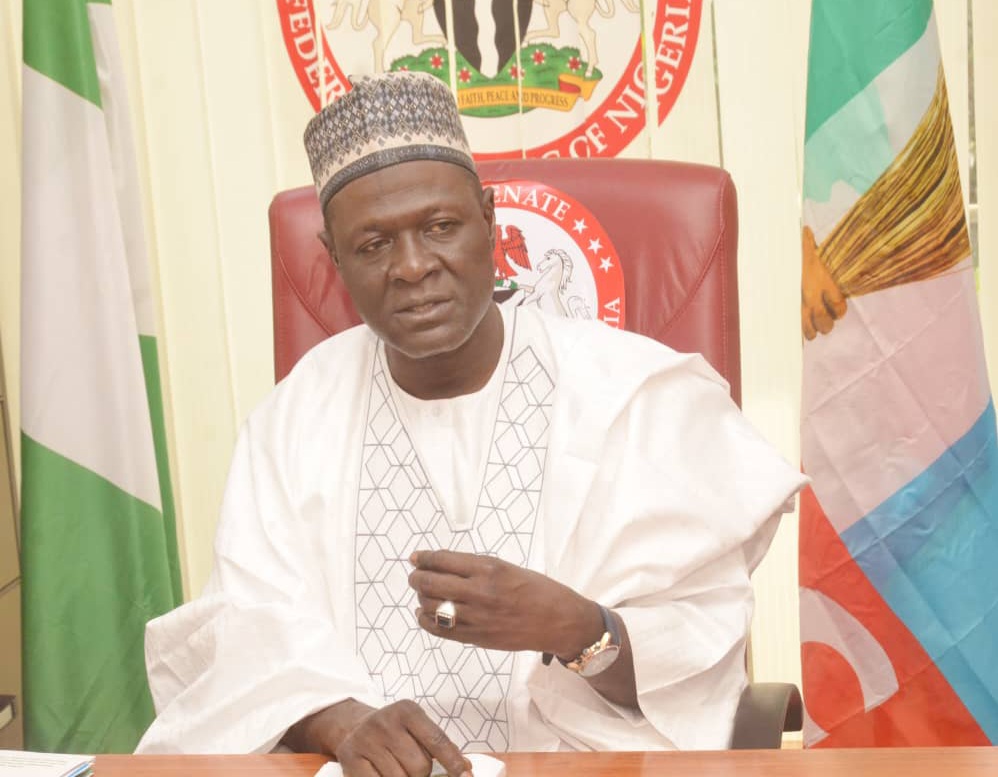
Leading the debate on the floor of the Senate on the general principles of the bill, Senator Babangida Hussaini (Jigawa North) explained that the legislation seeks to establish a framework for the regular inspection, maintenance, and enforcement of safety standards for articulated vehicles. According to him, if passed, the bill will significantly reduce road accidents and tanker explosions, which have claimed thousands of lives over the years.
“The goal of this bill is to ensure that articulated vehicles are in good condition, thereby minimizing accidents and breakdwns on our roads,” Senator Hussaini stated. “Key provisions include mandatory inspections, strict maintenance standards, and measures to prevent tanker explosions and driver fatigue
The bill received massive support from the senators who attended the plenary on Tuesday, with some advocating additional measures to regulate the movement of tankers and trailers. Senator Saliu Mustapha (Kwara Central) suggested that Nigeria should adopt policies similar to those in other countries, where heavy-duty vehicles are restricted to nighttime operations to reduce traffic congestion and accidents.
He said, “In some countries, tankers and heavy-duty trucks are only allowed on the roads between midnight and early morning. This helps ease traffic and prevents deadly crashes.
The proposed bill if passed to law will ensure a Biannual vehicle inspections to ensure it roadworthiness, enforcement of strict design and safety standards for tankers, public awareness campaigns on responding to tanker accidents and ensuring compliance and implementation
In a chat with newsmen the federal lawmakers emphasized that a strong regulatory framework is necessary to ensure compliance. They noted that while Nigeria has good policies, the real challenge lies in implementation and enforcement.
He said between June 2000 and October 2004, Nigeria recorded at least 169 fuel tanker accidents, resulting in 1,613 deaths. He stressed the urgency of enforcing stricter safety measures, especially in light of recent tanker explosions in Jigawa, Lagos, and Niger state respectively
According to Hussaini, “I strongly support the policy, because it will reduce competition between tanker drivers and commercial vehicles during peak hours.”
Senator Babangida who emphasized the need for public sensitization and enforcement to ensure compliance with speed limits and other regulations also said that it is the executive’s responsibility to ensure compliance, and expresses confidence in the President Bola Tinubu’s led administration’s capacity to enforce the compliance.
“The bill also includes provisions for regular medical checks and tests for drivers, as well as measures to improve their welfare and working conditions,” he said.