
NUJ Workshop: CP Ajao Adewale Identifies IIllegal Mining as Act That Fuels Insecurity
…as Grace Ike Urges Journalists to Investigate, Educate Publics on Its Activities
By Raphael Ekpang
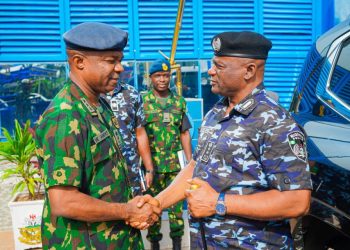
Abuja (Core Reporters) The Commissioner of Police, Federal Capital Territory, Abuja, CP Ajao Adewale, has identified illegal mining as an act that fuels insecurity across the country, describing the act as more than just theft. Meanwhile, the chairman of the Nigerian Union of Journalists (NUJ) FCT council, Comrade Grace Ike has described illegal mining as a threat to lives, environment, and security, therefore urged journalists to investigate and educate the public on its activities without bias.
CP Adewale who spoke at a one-day workshop at the NUJ FCT Secretariat pointed out how illegal mining leads to banditry, kidnappings, and huge financial losses, saying that Nigeria is losing up to $9 billion annually according to the Nigeria Extractive Industries Transparency Initiative (NEITI).
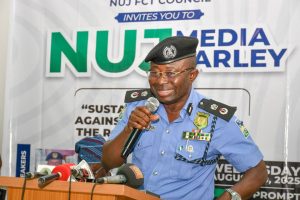
“Illegal mining is not just a mere economic crime; it is an act that fuels insecurity, degrades our environment, undermines lawful investment, and robs our nation of vital resources,” he said.
He highlighted hotspots like Zamfara for gold and Nasarawa for lithium, and even spots in the Federal Capital Territory (FCT) such as Gwagwalada and Kuje, where arrests have been made. The commissioner noted that powerful people often hide behind these operations, using foreigners as fronts.
He called on journalists to help by sharing tips, investigating money trails, and educating people. “Together, through enforcement, intelligence, and enlightenment, we can protect our resources and secure a safer, more prosperous Nigeria,” he concluded.
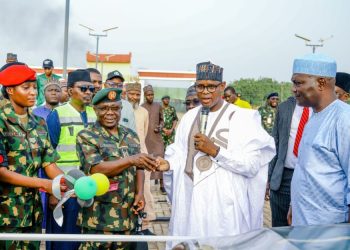
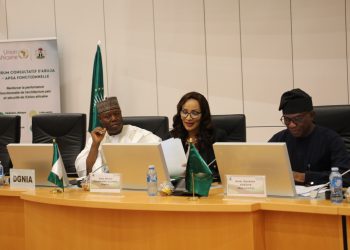
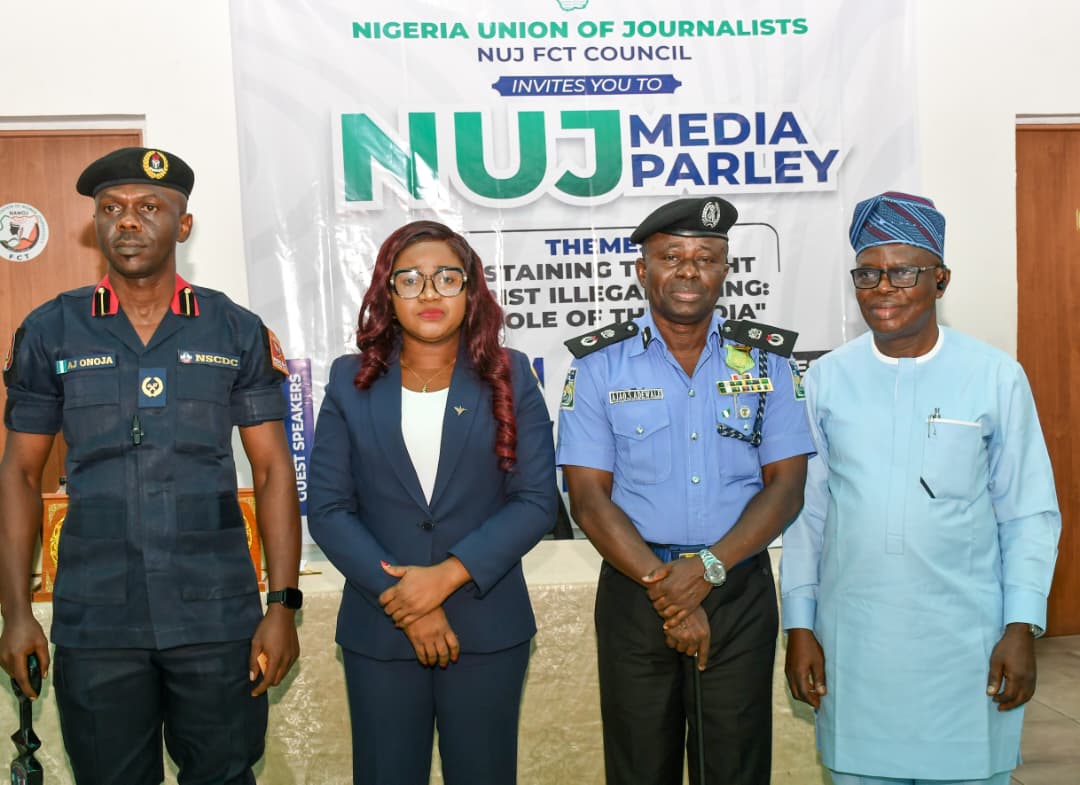
The hybrid workshop organised by the Grace Ike led NUJ FCT executive in line with its leading role of agenda setting, gathered critical stakeholders on Wednesday, August 20, 2025 at a one-day workshop to brainstorm on how to tackle this issue that harms the economy, environment, and communities
The workshop with the theme, “Sustaining the Fight Against Illegal Mining: The Role of the Media” was designed to bring together critical stakeholders to join forces with the media against the growing problem of illegal mining.
The security chiefs, mining leaders, and journalists together highlighted a shared commitment to work hand-in-hand, stressing that teamwork is key to stopping illegal miners who steal the nation’s resources.
On his part, the Commander of the Mining Marshals, ACC A. J. Onoja, of the Nigerian Security and Civil Defense Corps (NSCDC) who spoke passionately about the need for everyone’s hands to be on desk to combat these illegal miners, explained how illegal mining has cost Nigeria billions in lost money, ruined farmland, and stirred up trouble in communities. “The fight against illegal mining in Nigeria cannot be won by enforcement agencies alone, but through a broad coalition that includes the government, industry players, communities, and, most importantly, the media,” he said.
Onoja praised the government’s efforts under President Bola Ahmed Tinubu and Minister of Solid Minerals, Dr. Henry Dele Alake, Minister of Interior, Olubunmi Tunji-Ojo and the Commandant General of the NSCDC, Prof Ahmed Abubakar Audi, to clean up the sector by creating the Mining Marshals.
He stressed that this unit is no ordinary group—it’s backed by strong laws and a strict code of conduct to ensure fairness and toughness.
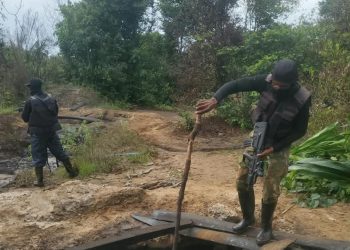
“We have dismantled illegal mining camps, arrested and prosecuted offenders, ensuring that the emerging policies of the Federal Government for the mining sector are working,” he added.
But he also warned of challenges like tough landscapes and attempts to blackmail them through the media. He urged journalists to report fairly: “When individuals under investigation run to the press to spin their self-serving sides of the story, alleging victimisation despite breaches of the law, we ask for balanced reportage that reflects the intricacy of our work.”
Also, Mr Dele Ayanleke, National President of the Miners Association of Nigeria, who represented the miners at the workshop explained what illegal mining really means—from digging without permits to using dangerous chemicals or child labour.
He warned of the damage: lost government money, polluted water, ruined land, and community fights. “Illegal mining is a serious issue in Nigeria, affecting both the economy and the environment. The fight against it requires continuous effort, and the media plays a critical role in sustaining this battle,” he said.
Ayanleke urged the media to learn more about mining laws for better reportage and to keep the issue in the news. He gave examples like lead poisoning in Zamfara that hurt thousands of children and child labour in Nasarawa’s lithium mines.
“The media serves as a vital tool in educating the public about illegal mining, its implications, and the importance of adhering to legal mining practices,” he added, pushing for stories that promote safe, legal mining and community watchfulness.
Earlier, the NUJ FCT Council Chairman, Ms Grace Ike opened the event, stressing the media’s duty as “gatekeepers of truth”. She called illegal mining a threat to lives, the environment, and security, and said journalists must investigate and educate without bias.
“As gatekeepers of truth and agents of accountability, our duty as journalists goes beyond mere reportage. We must investigate, expose, and educate the public on the devastating effects of illegal mining,” she said.
She promised the NUJ would keep amplifying community voices and using digital tools to spread facts. “In conclusion, the role of the media in combating illegal mining in Nigeria cannot be overstated. We are not only chroniclers of events but catalysts for change,” she ended.
Core Reporters report that at the end of the workshop, the message was clear: no one can win this fight alone. Security forces, miners, and the media must collaborate to protect Nigeria’s treasures for future generations. The workshop ended with hopes for ongoing talks and real action against illegal mining.