Deprecated: Function WP_Dependencies->add_data() was called with an argument that is deprecated since version 6.9.0! IE conditional comments are ignored by all supported browsers. in /home/corerepo/public_html/wp-includes/functions.php on line 6260 NNHRI-WA Calls for Stronger Human Rights Institutions Across West Africa - Core Reporters
NNHRI-WA Calls for Stronger Human Rights Institutions Across West Africa
By Our Human Rights correspondent
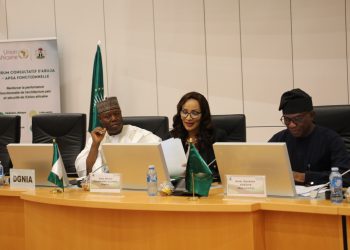
Abidjan (Core Reporters)-The Network of National Human Rights Institutions in West Africa (NNHRI-WA) has called for stronger institutional independence, adequate funding and enhanced regional collaboration to enable National Human Rights Institutions (NHRIs) effectively address rising insecurity, shrinking civic space and barriers to justice across the ECOWAS region.
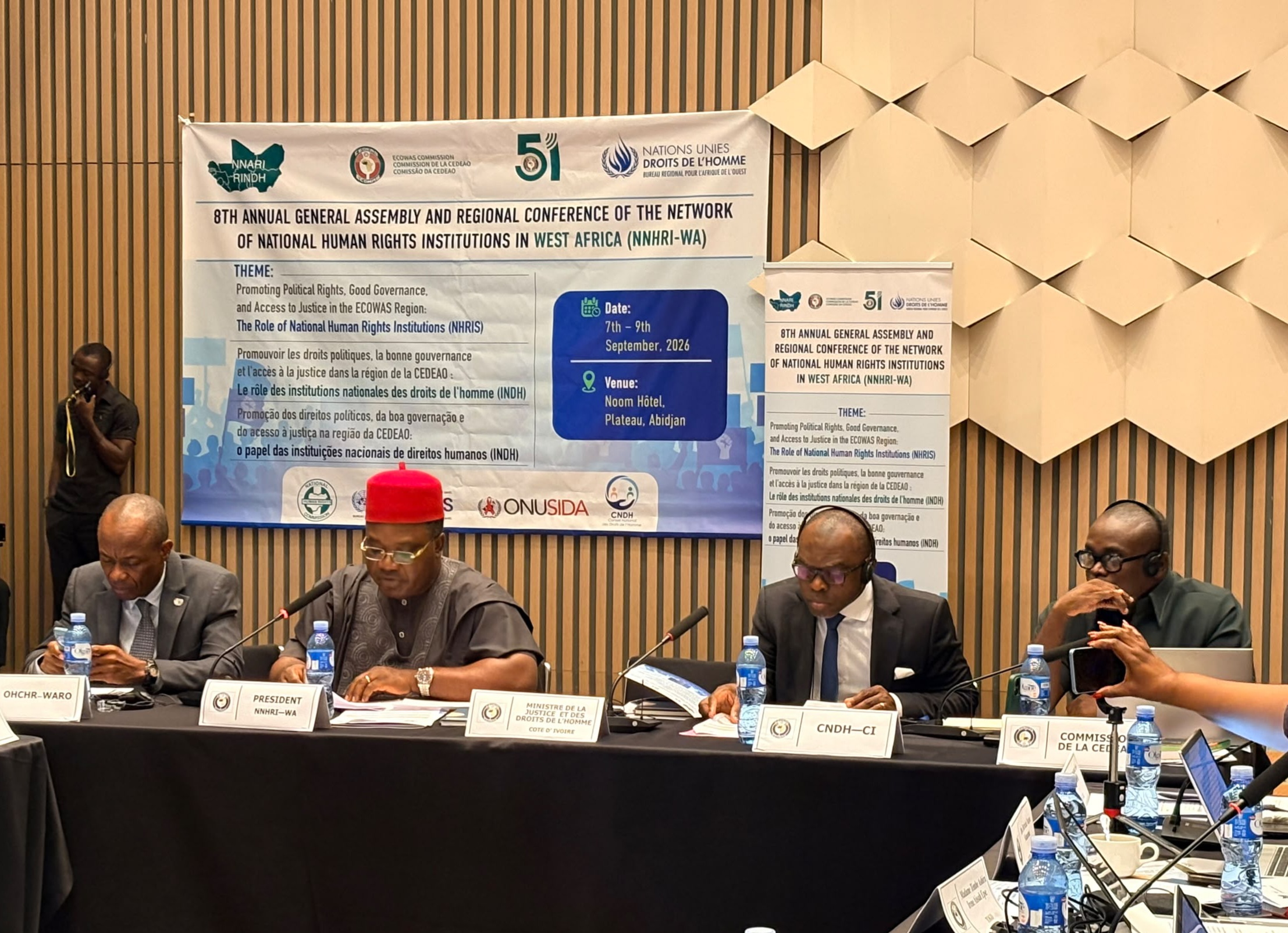
The call was made at the close of the Network’s Eighth Regional Conference and Annual General Assembly, held in Abidjan from September 7 to 8, 2026.
The conference was hosted by the Commission Nationale des Droits de l’Homme de Côte d’Ivoire (CNDH-CI) and supported by the ECOWAS Commission, OHCHR-WARO, UNOWAS and UNAIDS.
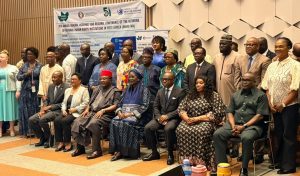
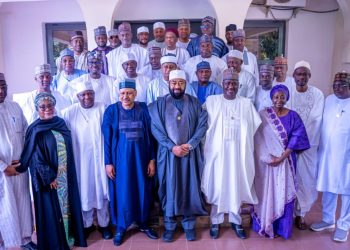
Twelve National Human Rights Institutions from Benin, Cabo Verde, Côte d’Ivoire, The Gambia, Ghana, Guinea-Bissau, Liberia, Mali, Nigeria, Senegal, Sierra Leone and Togo participated in the conference alongside regional and international partners.
Declaring the conference open, the President of NNHRI-WA and Executive Secretary of Nigeria’s National Human Rights Commission (NHRC), Dr. Tony Ojukwu, (SAN) said human rights, democracy, development, peace and good governance were “mutually reinforcing pillars.”
He acknowledged progress in democratic governance across the region but warned of persistent challenges, including unconstitutional changes of government, violent extremism, poverty, displacement and declining public trust.
Ojukwu urged NHRIs to move beyond reacting to human rights violations and place greater emphasis on prevention, early warning and timely intervention.
Representing the ECOWAS Commission, Mr. Ebenezer Asiedu reaffirmed the regional body’s commitment to keeping human rights at the heart of the ECOWAS architecture and encouraged NHRIs to remain “bold and innovative” in discharging their mandates.
The OHCHR-WARO Regional Representative, Mr. Robert Kotchani, said NHRIs had a critical role to play in protecting women, children, persons with disabilities and other vulnerable groups.
During the review of the 2025 Abuja Communiqué, member institutions reported progress in areas including OPCAT detention monitoring, transitional justice, migration, climate change and election observation.
On detention and access to justice, almost all participating institutions reported challenges relating to prison overcrowding and prolonged pre-trial detention.
Ghana reported overcrowding of more than 130 per cent of capacity and highlighted the passage of a new Community Service Act aimed at promoting non-custodial sentencing.
Nigeria cited its toll-free human rights line, 6472, as well as the use of criminal justice committees to identify cases of wrongful detention. Sierra Leone and Togo also reported conducting nationwide prison monitoring.
On political rights, The Gambia, Côte d’Ivoire and Senegal presented models of NHRI engagement throughout the electoral cycle, including election monitoring, hate-speech tracking and voter education.
Delegates called for greater inclusion of women, young people, persons with disabilities and members of the diaspora in democratic processes.
On business and human rights, Nigeria reported the amendment of the NHRC Act to expressly include a business-and-human-rights mandate.
Senegal said it was finalising a draft National Action Plan on business and human rights, which would make it the first francophone country in the region to adopt such a plan, while The Gambia said it was at an early stage of the process following stakeholder consultations.
Delegates also highlighted recurring challenges relating to intra-regional free movement despite the existence of the ECOWAS Protocol, as well as unresolved questions surrounding eligibility and cut-off points in reparations processes.
The conference resolved to deepen peer learning among member institutions, conduct joint monitoring missions and strengthen engagement with ECOWAS, the African Union and the United Nations.
In his closing remarks, Ojukwu said the legitimacy of NHRIs “is measured not by the offices we occupy, but by the difference we make in the lives of ordinary citizens.”
The Ninth Regional Conference and General Assembly is expected to be convened in 2027.