
Nigeria Senate Resolves to Hold Security Summit to Address Insecurity, Economic Strain, Food Crisis
Abuja (Core Reporters) It was a brainstorming session at the floor of the senate on Tuesday, May 6, 2025, as the Nigerian Senate resolved to organise a two-day national security summit to explore urgent solutions to the rising levels of insecurity, food shortages, and economic hardship across the country.
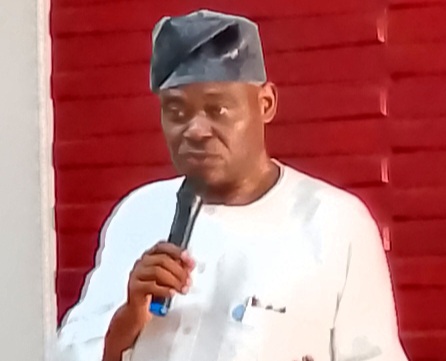
The resolution followed a motion sponsored by Senator Jimoh Ibrahim (Ondo South).
Leading the debate, Senator Ibrahim linked Nigeria’s deteriorating security to global instability—citing the Russia-Ukraine war, the growing tension between the global North and South, and the ongoing tariff war in the United States. He said these developments have deepened food insecurity and derailed progress on the Sustainable Development Goals (SDGs).
“The high level of global insecurity has instilled local insecurity,” Ibrahim said. “Insurgency is like hot water—the perimeter it’s rising is the same perimeter it will cease.”
He noted that the changing world order is evident in tightening immigration policies, visa cancellations by new regimes, and the sale of citizenships by countries seeking revenue—all of which stoke economic conflict and threaten global cooperation.
Senator Ibrahim, affirming President Bola Tinubu’s commitment to restoring peace across Nigeria, called on the Senate to support the president’s efforts with actionable intelligence and strategic engagement.
According to him, “President Tinubu is serious about the peace of Nigeria,” he said. “As such, there is a need for some fact-finding intelligence support for Mr. President’s efforts—even as most military strategies and terminologies such as Alpha, Bravo, Charlie, Delta, Echo, Foxtrot, Golf, Hotel, India, Juliet, Kilo, Lima, Mike, November, Oscar, Papa, Quebec, Romeo, Sierra, Tango, Uniform, Victor, Whiskey, X-ray, and Yankee are no longer exclusive to the military.”
He stressed the importance of developing alternative communication strategies in military operations and called for enhanced funding to preserve the professionalism and traditions expected of the future military.
“No country allows its citizens to experience security by living with insecurity,” he added. “The ideology of peace for all, as outlined in the executive policies of the Renewed Hope Agenda, must be upheld and promoted.”
He concluded by urging the Senate to organise an empirical, fact-based national security summit that would offer a platform for exhaustive deliberations and far-reaching decisions to chart a way forward.
After much debate for and against the national security summit, the President of the Senate, Godswill Akpabio, after putting the motion to a voice vote, ruled in favour of the summit, but shortened it from the originally proposed three days to two. An ad-hoc committee was mandated to organise the summit in Abuja.
The summit is expected to include delegates from all levels of government as well as traditional institutions. The Senate also urged the federal government to revise and strengthen the country’s security policies in line with the recommendations that emerge from the summit.