

Nigeria Moves to End Raw Shea Exports, Eyes Global Market Dominance
By Admin
The Federal Government has reinforced its determination to transform Nigeria’s shea industry by prioritising value addition, strengthening policy implementation, and deepening collaboration with processors to enhance global competitiveness.

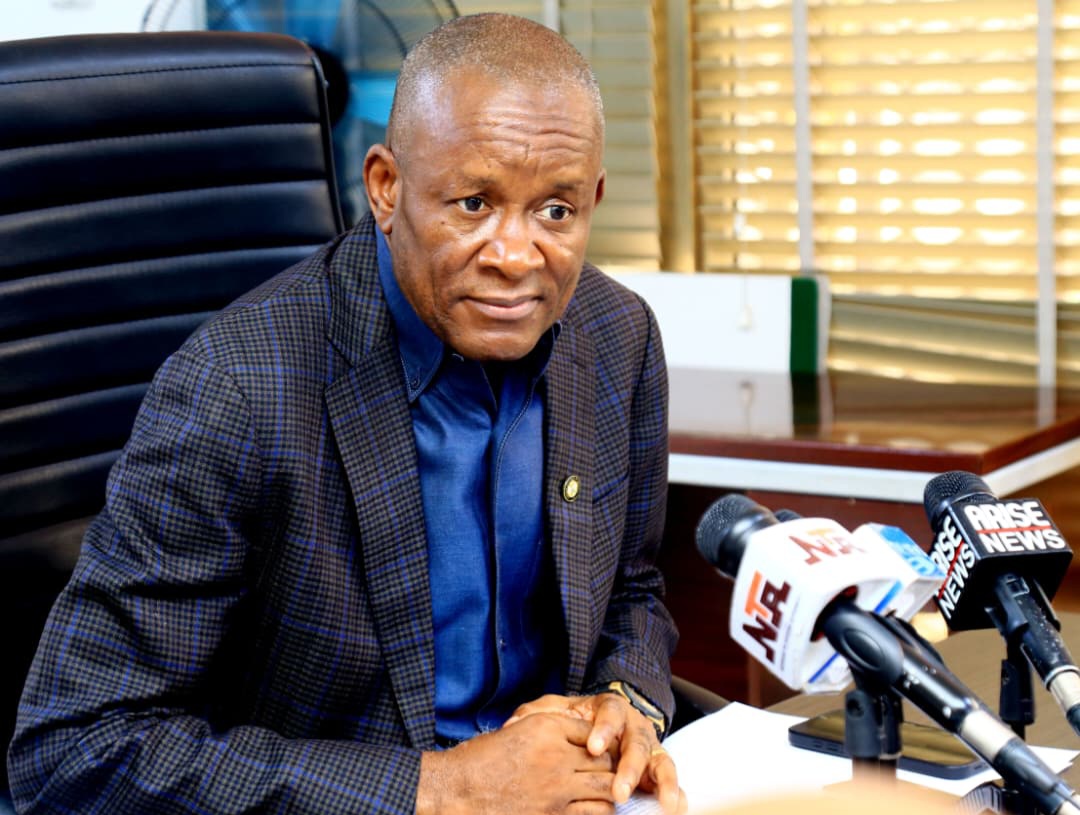
Speaking at a high-level stakeholder engagement in Abuja, the Minister of State for Industry at the Federal Ministry of Industry, Trade and Investment (FMITI), Senator John Owan Enoh, said the Presidential directive banning the export of raw shea nuts marks a decisive shift from commodity exports to industrial development.
He stressed the need for measurable outcomes ahead of the policy’s review timeline and disclosed plans to verify processing capacity through inspections.
“The gains of this policy must be clear, measurable, and undeniable before the review in February 2027,” he said.
In his welcome remarks, the Director of the Industrial Development Department at FMITI, Muhammad Bala, said the engagement was convened to assess progress, address industry bottlenecks, and secure firm commitments from processors. He added that the meeting would also help shape Nigeria’s position in upcoming global engagements.
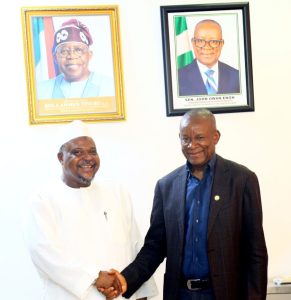
“This meeting is critical to strengthening coordination across the shea value chain and positioning Nigeria more effectively on the global stage,” he said.
Representing industry players, the Managing Director of Salid Agriculture Limited, Alhaji Ali Saidu, disclosed that processors have initiated a data-driven study to assess the impact of the export ban and guide future decisions. He, however, identified insecurity and smuggling as major challenges affecting access to shea nuts, while noting that recent policy measures have improved market conditions.
“The extension of the ban has helped stabilise prices and restore competitiveness,” he said.
Also speaking, the Director of Group Corporate Affairs, Alhaji Sadiq Kassim, called for stronger regional collaboration among West African countries to curb raw exports and promote value addition. He emphasised the need for Nigeria to advance into refining and other higher-value processing stages.
“Nigeria must leverage its position as the largest producer to attract investment and lead the global shea industry,” he said.
Stakeholders agreed that sustained progress will depend on improved processing capacity, increased investment, and measurable value addition, as the Federal Government reaffirmed its commitment to policies aimed at positioning Nigeria as a dominant force in the global shea value chain.