
Nigeria Leads D-8 Drive Toward $500bn Trade Target
By Godness Ekpang
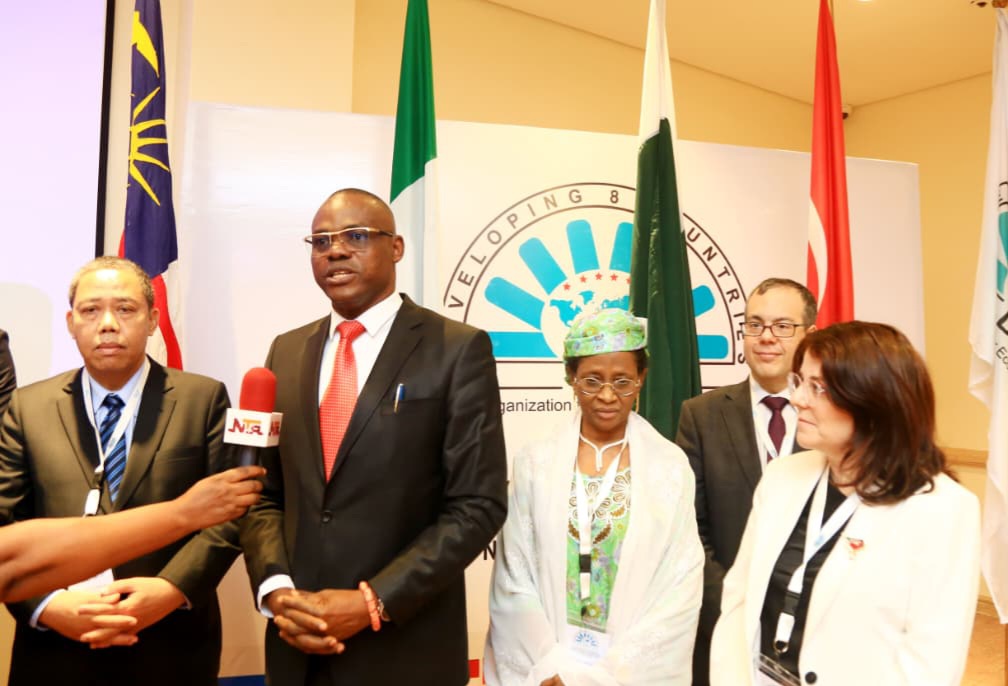
Abuja (Core Reporters) Nigeria recently hosted the 9th Session of the Supervisory Committee of the D-8 Preferential Trade Agreement (SCPTA) in Abuja, bringing together member states to advance efforts aimed at strengthening trade cooperation and accelerating economic integration across the bloc.
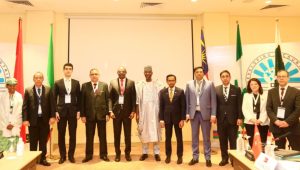
In his opening remarks, Chairman of the Supervisory Committee and former Permanent Secretary of the Federal Ministry of Steel Development, Nura Abba Rimi, welcomed delegates and commended the D-8 Secretariat for its leadership. He also congratulated Sohail Mahmood on his appointment as Secretary-General and acknowledged Azerbaijan’s accession into the bloc, describing it as a move that would further strengthen trade and economic cooperation.
Rimi emphasised the critical oversight role of the Supervisory Committee in implementing the Preferential Trade Agreement (PTA) and guiding trade ministers. He stressed the urgency of expanding the PTA, noting its limited impact on intra-bloc trade, and advocated its transition into a Comprehensive Economic Partnership Agreement (CEPA) to deepen integration.
He expressed concern that intra-D-8 trade remains around seven per cent—valued at approximately $146 billion in 2024—and called for stronger collaboration to meet the $500 billion target by 2030.
“We must move beyond incremental progress and embrace bold, results-driven actions that will unlock the full economic potential of our bloc,” he said.
The Secretary-General, Mahmood, highlighted the importance of aligning technical work with upcoming ministerial engagements, particularly the 2026 meeting in Indonesia. He noted progress in analytical studies supporting the PTA and underscored the need to strengthen institutional capacity, promote SME inclusion, and deepen private sector engagement, alongside improvements in trade facilitation, customs cooperation, and data-driven decision-making.
“Our collective progress depends on how effectively we translate technical work into tangible economic outcomes for our member states,” he added.
Member states reaffirmed their commitment to strengthening intra-D-8 trade and enhancing the PTA’s effectiveness. Azerbaijan emphasised reducing trade barriers and improving market access, while Pakistan called for renewed commitment and expansion of the agreement to include high-potential goods, citing progress such as the Dispute Settlement Protocol signed in December 2024.
Bangladesh described the PTA as a practical pathway to shared prosperity, stressing the need for broader product coverage and stronger private sector participation. Indonesia reaffirmed its commitment but raised concerns over low utilisation and uneven progress, calling for improved coordination and faster domestic processes.
Malaysia pointed to the bloc’s vast market potential and the need to align the PTA with current global economic realities to achieve tangible commercial outcomes.
Nigeria reiterated its commitment to D-8 economic cooperation and support for transforming the PTA into a comprehensive economic partnership. It highlighted priority sectors including manufacturing, agriculture, energy, and services, alongside efforts to empower MSMEs through digital trade and e-commerce.
Türkiye emphasised the need for resilience amid global geopolitical tensions, calling for deeper cooperation, removal of trade barriers, and stronger private sector engagement.
In his closing remarks, Permanent Secretary of the Federal Ministry of Industry, Trade and Investment, Chris Osa Isokpunwu, expressed appreciation to the D-8 Secretariat and member states for their active participation and commitment.
“As Chair and host, I commend the D-8 Secretariat for the excellent coordination of this meeting. The outcomes of our deliberations reflect our shared resolve to strengthen economic cooperation,” he said.
He urged member states to sustain collaboration and focus on implementing practical solutions that will drive industrial growth and inclusive prosperity, while also calling for the resolution of outstanding issues to fully realise the benefits of the PTA.
The session concluded with a renewed commitment by all member states to deepen cooperation, enhance trade facilitation, and accelerate progress toward achieving the D-8’s ambitious trade targets.