Deprecated: Function WP_Dependencies->add_data() was called with an argument that is deprecated since version 6.9.0! IE conditional comments are ignored by all supported browsers. in /home/corerepo/public_html/wp-includes/functions.php on line 6260 Nigeria Launches National Oral Health Strategic Plan 2026–2030, Targets Elimination Of NOMA, Integrates Oral Healthcare into PHC - Core Reporters
Nigeria Launches National Oral Health Strategic Plan 2026–2030, Targets Elimination Of NOMA, Integrates Oral Healthcare into PHC
…Says No Nigerian Child Supers Preventable Death.
By Our Reporter
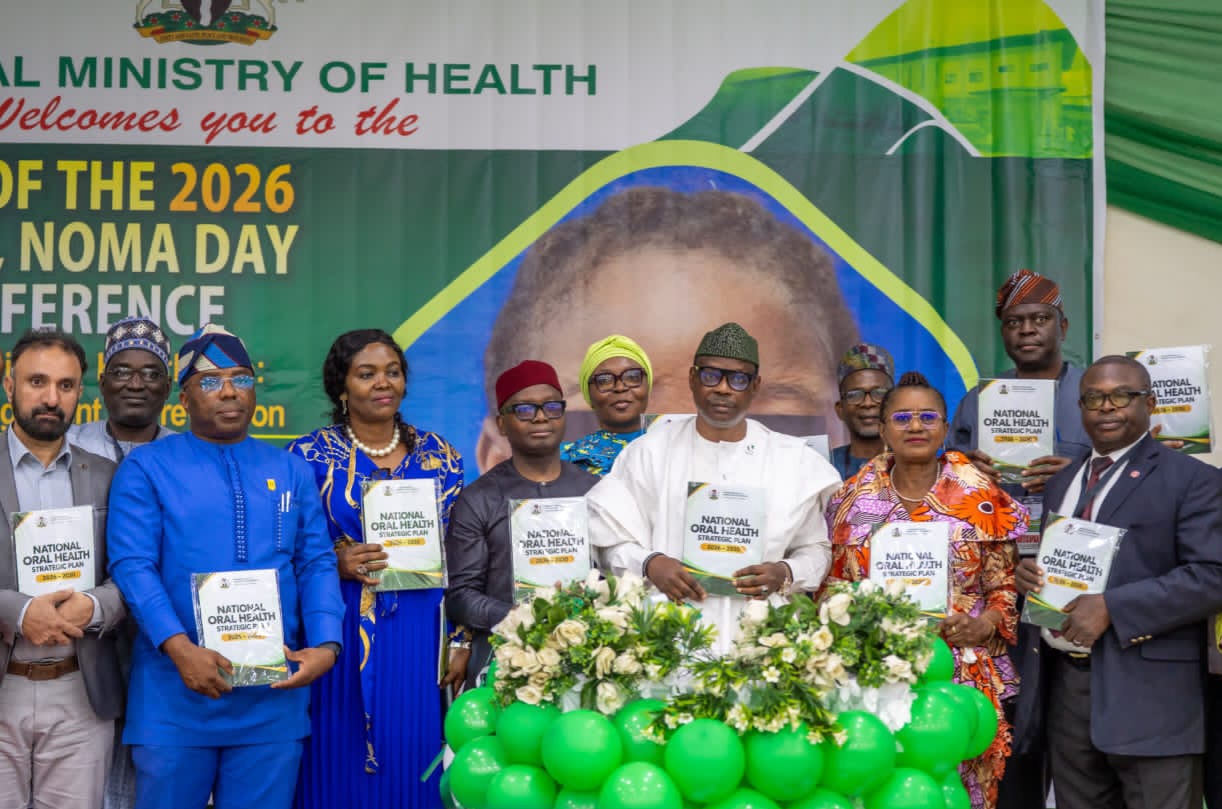
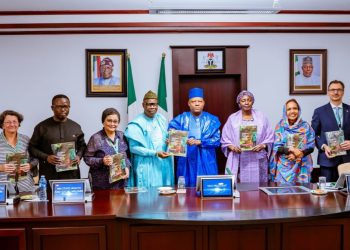
Abuja (Core Reporters) The Federal Government of Nigeria has reaffirmed its commitment to improving oral healthcare delivery and eliminating Noma as a public health problem in Nigeria with the official launch of the National Oral Health Strategic Plan 2026–2030.
The Honourable Minister of State for Health and Social Welfare, Dr. Iziaq Adekunle Salako, made this commitment at the commemoration of National Noma Day and National Oral Health Day held on Monday, 9 November 2026, at Reiz Continental Hotel, Abuja.
Dr. Salako stated that the initiative aligns with the Renewed Hope Agenda of President Bola Ahmed Tinubu, GCFR, which prioritises the health and wellbeing of Nigerians, noting that oral health is an essential component of Universal Health Coverage and should no longer be neglected in the country’s healthcare delivery system.
The Minister expressed concern over Nigeria’s high burden of Noma, particularly in the North-West and North-East, describing it as a preventable but devastating disease that causes severe facial disfigurement, disability and death, especially among malnourished children, describing recognition of Noma as a Neglected Tropical Disease by WHO in 2023 as a significant milestone in the global fight against the disease.
He also disclosed that the Ministry has integrated Noma surveillance into the Integrated Disease Surveillance and Response (IDSR) system and intensified efforts to strengthen early detection and referral through Primary Healthcare facilities, adding that frontline healthcare workers, traditional healers and traditional birth attendants have been trained across 19 states to identify Noma and other oral diseases early and facilitate timely treatment.
Highlighting the challenges confronting oral healthcare delivery, Dr. Salako revealed that over 80 per cent of Nigerians have never visited a dentist, two out of every three children live with untreated dental caries, while the country’s dentist-to-population ratio stands at approximately 1:38,000, compared with the World Health Organization’s recommended ratio of 1:7,500.
To address these gaps, Salako said that the Federal Government is strengthening the integration of oral health services into Primary Healthcare through the Sector-Wide Approach (SWAp) and the Basic Health Care Provision Fund (BHCPF), to improve access to affordable and quality oral healthcare nationwide.
The Minister announced that the Federal Executive Council had approved the National Centre for Oral Health Establishment Bill 2026 and transmitted it to the National Assembly for consideration.
According to him, the newly launched National Oral Health Strategic Plan 2026–2030, estimated to cost approximately ₦70 billion over five years, provides a framework for improving oral health outcomes through preventive services, school-based oral health programmes, access to fluoride toothpaste, sugar-reduction initiatives and the integration of oral health into maternal and child health, nutrition and non-communicable disease programmes.
He added Plan also prioritises the training and equitable distribution of oral health personnel, including Dental Therapists and Dental Surgery Technicians, improved primary healthcare infrastructure, stronger referral systems and expanded access to oral healthcare services across all 774 Local Government Areas.
Dr. Salako called on state and local governments to domesticate and implement the Strategic Plan, while urging development partners, including WHO, UNICEF and the FDI World Dental Federation, to sustain their support. He also encouraged healthcare professionals to strengthen collaboration and embrace integrated, people-centred oral healthcare delivery.
The Minister commended Médecins Sans Frontières (MSF), Noma Aid Nigeria Initiative (NANI), the Noma Children’s Hospital, Sokoto, healthcare professionals, researchers and advocates for their contributions to Noma prevention, treatment, rehabilitation and public awareness.
Declaring the launch of the document, Dr. Salako reaffirmed the Federal Government’s commitment to ensuring that no Nigerian child suffers preventable death or permanent disfigurement from Noma, stressing that sustained investment, community engagement and effective partnerships are essential to eliminating the disease and improving oral health outcomes across the country.
In her welcome remarks, the Permanent Secretary Federal Ministry of Health and Social Welfare, Daju Kachollom S. represented by her Senior Technical Assistant, Dr. Dogara Okara, rearfirmed the Ministry’s commitment to strengthening oral health services as an integral component of universal health coverage and primary health care revitalization efforts.
She identified capacity building of Frontline healthcare workers as one of the key strategies through which personnel, particularly community health workers and primary health care personnel, are equipped with knowledge and skills required to identify signs of oral diseases, provide basic oral health education, promote preventive practices, facilitate timely referrals, and support early detection and management of suspected normal cases.
The Permanent Secretary emphasized that successful implementation of this strategic plan will require sustained collaboration among government institutions, development partners, and professional associations, private sector organizations, as well as academic institutions and communities.
Daju, therefore commended the NOMA Eats Nigeria initiative, NANI, Medicine Starts Frontier, NOMA Children’s Hospital, Sokoto, Colgate, professional associations, regulatory bodies, and all our development partners for their unwavering commitment and invaluable financial contributions, technical expertise, research and service delivery interventions towards the fight against NOMA and the promotion of oral health in Nigeria.
Senator Ipalibo Harry-Banigo, the Chairman Senate Committee on Health reaffirmed the National Assembly’s commitment to strengthening primary healthcare delivery and making oral health an integral part of routine healthcare services.
According to the Senator, the committee identified the Noma Children’s Hospital in Sokoto, the Intercountry Centre in Jos and the ongoing retrofitting of dental centres across federal university teaching hospitals as critical components of Nigeria’s response, disclosing that legislative measures were being pursued to institutionalise routine oral health screenings, early diagnosis of dental infections and specialised training.
She reiterated the lawmakers’ commitment for stronger oversight to ensure that appropriated funds translate into tangible healthcare services for affected children and families across the six geopolitical zones and called for increased collaboration among state governments, religious leaders, development partners and the media to address stigma, improve nutrition and intensify public awareness campaigns.
In his goodwill message the Country Representative of Médecins Sans Frontières (MSF), Dr Aldikhari Ahmed, commended the Federal Government and other stakeholders for efforts to integrate noma into primary healthcare guidelines and include the disease in the Surveillance Outbreak Response Management and Analysis System (SORMAS, stressing that such initiatives must be supported by sustainable funding, functional surveillance systems and effective implementation to achieve meaningful results.
Highlighting MSF’s collaboration with the Federal Ministry of Health and the Sokoto State Ministry of Health at the Noma Children’s Hospital, Ahmed disclosed that the partnership has facilitated more than 1,759 major reconstructive surgeries for 1,174 patients through 35 surgical missions.
He added that 114 surgeries had been performed on 96 patients in 2026 alone, while 28 Nigerian surgeons and 14 anaesthetists had received specialised training through the collaboration.
Also speaking, the World Health Organisation Country Representative in Nigeria, Dr Pavel Ursu, represented by Dr Victor, noted that noma primarily affects malnourished children between the ages of two and six, particularly those living in impoverished communities, and early detection and prompt treatment could prevent the devastating consequences of the disease.
He called for improved capacity among frontline health workers, stronger disease surveillance systems and adequate psychosocial support for survivors and their families.
Dr Adebimpe Adebiyi mni,who spoke on the humanitarian legacy of late Mama Ute Winkler-Stumpf, founder of Hilfsaktion Noma, for her remarkable contributions to the treatment and rehabilitation of children affected by the disease, recalled that the organisation worked closely with the World Health Organisation and Nigerian authorities to establish critical treatment infrastructure, including the Noma Centre in Abuja, where numerous children have benefited from free, life-changing reconstructive surgeries.
Adebiyi said the legacy should inspire stakeholders to move beyond sympathy and isolated clinical interventions towards sustainable healthcare systems that prioritise prevention, early diagnosis and community awareness.