
Colonial Injustices: Senate Set to Meet Ambassadors, High Commissioners of African Countries on Monday
By Raphael Ekpang
Abuja (Core Reporters) Nigeria Senate Committee on Reparations and Repatriations has resolved to meet with Ambassadors and High Commissioners of all African countries. on Monday, June 30, 2025 to forge a common position on how to address the Colonia injustice meted on the continent by the western world.
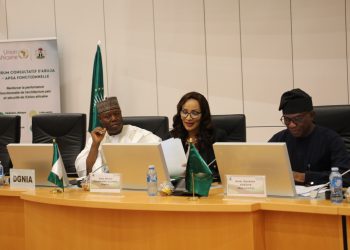
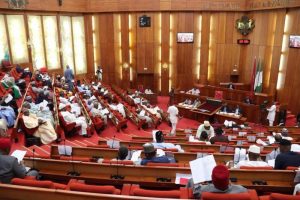
This was made known on Thursday, June 26, during the one day interactive session on historical and systemic injustices, reparative justice and the repatriation of African cultural, human and economic patrimony held at the national assembly complex in Abuja.
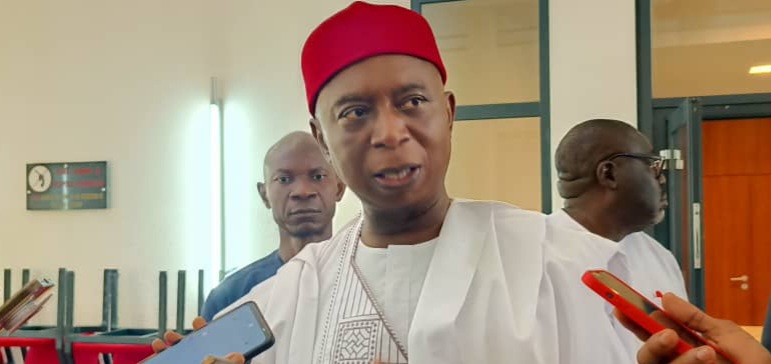
The committee chaired by Senator Ned Munir Nwoko Delta North Senatorial district expressed its readiness to actively pursue the repatriation of Nigeria’s looted cultural artefacts.
As part of its core mandate to address historical injustices inflicted by slavery and colonialism, the Committee has called on stakeholders, including legislators, policymakers, civil society leaders, legal experts, historians, and international partners to contribute insights that would help shape an “African-common position” and galvanize global support for restitution efforts.
The committee chairman, Senator Nwoko noted that the Committee is poised to address centuries-old injustices related to slavery with focus to ensure the return of looted cultural heritage.
He boasted that the Committee is committed to collating credible evidence of wrongdoing by individuals, states, corporations, and institutions, both past and present, with the goal of addressing systemic injustices that have marginalized groups within Nigeria and the African diaspora.
According to Nwoko, “The Committee’s work is structured, evidence-based, and far-reaching, aiming not only to address cultural and historical matters but also to cover various sectors affected by historical injustices.
“The work before us is not symbolic or ceremonial, we are empowered to investigate local and international injustices past and ongoing and make concrete recommendations for compensation and redress”, he stated.
Also, the Committee seeks to establish dialogical frameworks and propose legal and policy templates aligned with national and international laws, collaborating with experts in law, history, anthropology, economics, and diplomacy.
In line with the committee mandate and to support its efforts, appointed Chukwuebuka Anyaduba, a development strategist and cultural advocate, as a consultant.
Anyaduba will advise on strategy, stakeholder engagement, international partnerships, and communications, particularly in promoting awareness and advocating for the repatriation of stolen artefacts and reparative justice.
His appointment is seen as strategic for amplifying Nigeria’s agenda on reparations and shaping its global cultural legacy.
The Committee also plans to engage local and international stakeholders through dialogue, diplomacy, and policy development to facilitate the return of cultural assets looted during colonialism and slavery.
Citing the Niger Delta oil degradation, extrajudicial killings, lead poisoning in Zamfara, and incidents such as Daki Biyu demolitions, the Chairman declared there are “no-go areas” for the Committee except cases currently under active judicial consideration.
“We will deal with cases involving military abuse, multinational corporations, or government negligence. Our door is open to all Nigerians and Africans seeking justice, as long as the matter is not before the courts,” he said, urging litigants to withdraw pending cases if they want the Committee to intervene,” he said.
Core Reporters report that the initiative aligns with broader global efforts to reclaim cultural heritage and seek restorative justice for historical wrongs.