
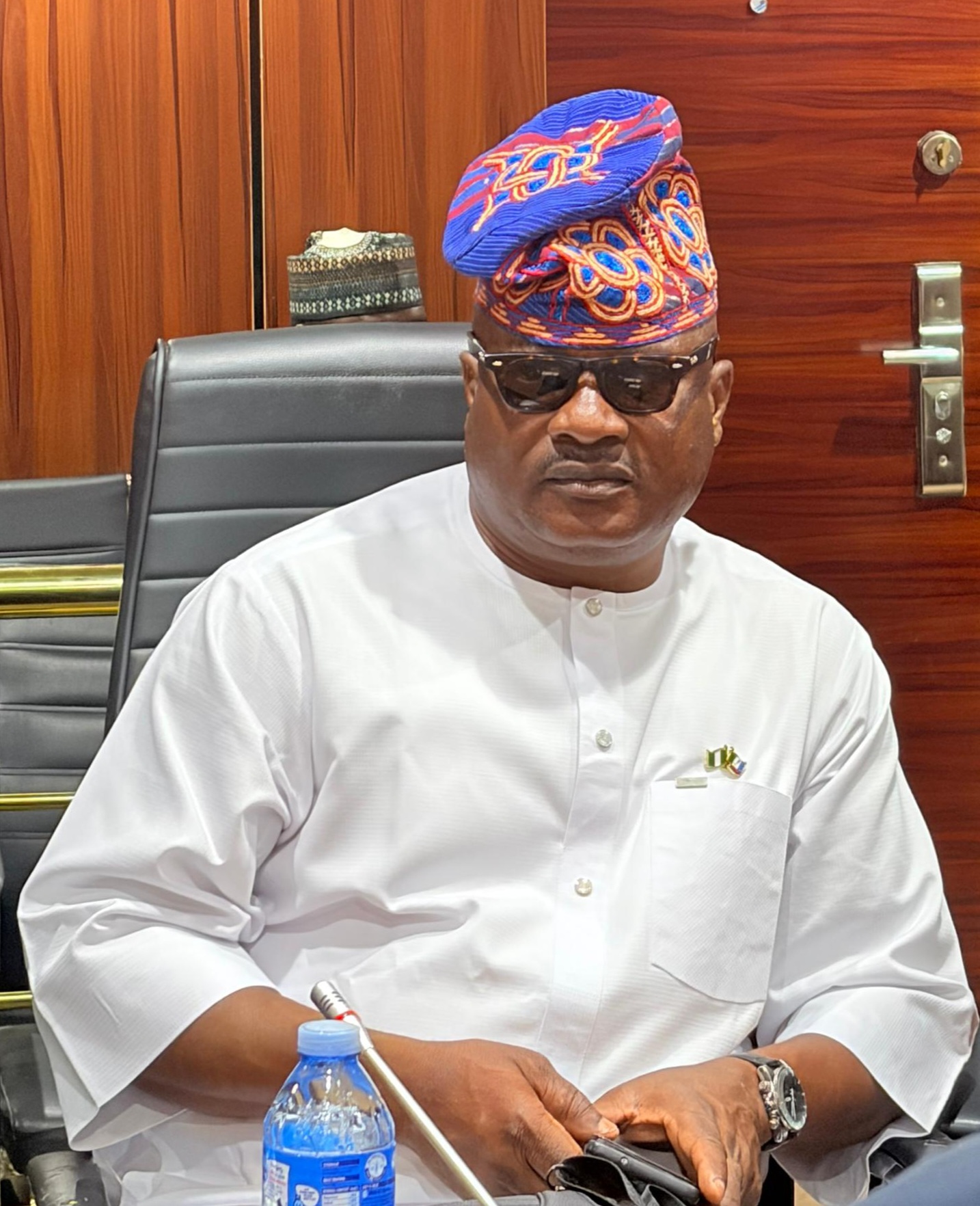
Bankole Advocates Mandatory Seating Rights for PWDs, Says Discounts Aren’t Enough
By Raphael Ekpang
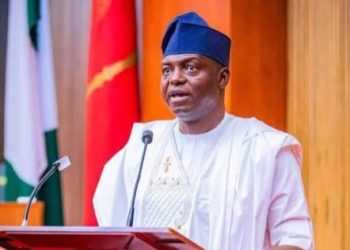
The National Leader of Persons With Disabilities (PWDs) in the All Progressives Congress (APC), Aare (Hon.) Tolu Bankole, has called on political leaders across Nigeria to take bold and deliberate steps toward full inclusion of PWDs in governance, stressing that symbolic gestures must give way to measurable representation.
Bankole acknowledged efforts by the APC-led administration, noting that the party, under the leadership of President Bola Ahmed Tinubu and supported by APC governors, has made notable strides in advancing inclusion for persons with disabilities.
According to him, these efforts range from policy-level interventions to practical support measures that have strengthened the implementation of disability-friendly frameworks, expanded access to opportunities, and increased the visibility of PWDs in public institutions.
He cited the recent decision to grant a 50 percent reduction in nomination fees for PWD aspirants as a step in the right direction, alongside social protection programmes, skills development initiatives, and advisory roles introduced by several state governments to integrate PWDs into governance processes.
“These actions signal a progressive shift toward recognising the rights, dignity, and potential of PWDs as active contributors to national development,” Bankole said.
However, he maintained that such measures, while commendable, fall short of true inclusion.
“While I sincerely thank our great party for these inclusive gestures, I must state clearly that it is not enough. Reducing nomination fees is important, but inclusion cannot stop at access to forms. It must extend to access to power, representation, and decision-making,” he added.
Bankole urged political leaders and party stakeholders to move beyond policy symbolism and embrace structural reforms that guarantee representation for persons with disabilities.
“I appeal to leaders at all levels and stakeholders across the federation to go beyond tokenism and intentionally mainstream PWDs into the political process,” he said.
He specifically called for the deliberate allocation of legislative seats to qualified PWD members within the party, noting that the community has a large pool of capable and experienced politicians.
“Our party must go further by ceding a fair number of legislative seats at both state and federal levels to PWDs in a representative and strategic manner. We have millions of qualified, competent, and committed PWD politicians within our ranks who are ready to serve and deliver,” he stated.
Bankole also emphasised the need for inclusion in executive appointments, stressing that governance must reflect the diversity of society.
“This deliberate inclusion must not be limited to legislative positions alone. Executive roles at all levels must also reflect this commitment. Inclusion must be seen, felt, and measured in real governance structures,” he added.
Drawing comparisons with global best practices, Bankole noted that several countries have made significant progress in ensuring political representation for persons with disabilities.
“In parts of Europe, disability representation in parliaments is estimated at between 3 and 6 percent, with countries like the United Kingdom and Sweden advancing inclusive participation through strong legal frameworks. Across Asia, countries such as India have constitutional provisions supporting representation, while in Africa, nations like Rwanda and South Africa have adopted frameworks that ensure participation of marginalised groups, including PWDs,” he said.
He contrasted this with Nigeria’s situation, where representation of PWDs in elective and appointive positions remains significantly below one percent.
“In Nigeria, despite our population size and democratic maturity, representation of PWDs in governance remains negligible—far below one percent. This gap is not due to a lack of capacity, but a lack of deliberate inclusion,” he noted.
Bankole warned that delaying inclusive reforms could further marginalise millions of Nigerians, stressing that the time for decisive action is now.
“Now is the time for intentional, structured, and measurable inclusion. We must not wait until it becomes too late to correct systemic exclusion. Talking about inclusion when the opportunity to act has passed serves no one’s interest,” he said.
He reaffirmed his commitment to advocating for the rights and political advancement of PWDs within the APC and across Nigeria, expressing optimism that the party can set a national benchmark for inclusive governance.
“Our party has the opportunity to lead by example and redefine political inclusion in Nigeria. Let us rise to this moment and ensure that governance at all levels truly reflects the diversity and strength of our people,” Bankole concluded.