

APC Berates Makinde Over Alleges Incitement to Violence
By Raphael Ekpang
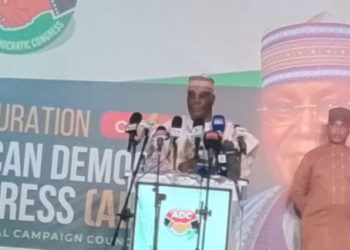
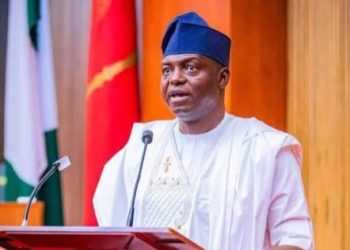
The All Progressives Congress (APC) has strongly criticised Seyi Makinde, accusing him of inciting violence following remarks he made at an opposition summit in Ibadan.
In a press statement issued in Abuja on April 26, 2026, the ruling party condemned Makinde’s reference to the historical “Operation Wetie,” describing it as reckless and dangerous.
The APC argued that invoking the violent political episode—associated with unrest in Nigeria’s First Republic—amounts to a threat to national peace and security. It said the governor’s comments were unbecoming of a sitting chief security officer of a state and questioned his suitability for office.
“By his incitement to violence, Makinde has shown himself to be unworthy of the high office of Governor,” the statement read.
The party warned that such rhetoric could fuel unrest, lawlessness, and instability, urging security and intelligence agencies to take the matter seriously to safeguard lives and protect Nigeria’s democratic order.
The APC also stressed that constitutional immunity does not shield public office holders from accountability in matters relating to national security, adding that no individual should threaten public safety under the guise of political expression.
Beyond the immediate criticism, the party dismissed opposition claims that Nigeria is drifting toward a one-party state. It instead blamed internal crises within opposition parties for their current challenges.
The APC took aim at key opposition figures, including Atiku Abubakar and Peter Obi, accusing them of contributing to instability within their respective parties—the Peoples Democratic Party (PDP) and the Labour Party (LP).
It further criticised the African Democratic Congress (ADC), describing it as an ineffective coalition platform weakened by leadership struggles.
According to the APC, opposition parties have failed to present credible alternatives to the policies of the current administration and are instead resorting to “fear mongering” and “false narratives.”
The ruling party reaffirmed its commitment to democratic principles, stating that Nigeria’s political space remains open and competitive, with multiple parties actively participating in the electoral process.
It also reiterated its readiness for the 2027 general elections, insisting it would not be distracted by what it described as opposition “blackmail.”
The statement was signed by Felix Morka, who emphasised that the party, under the leadership of Bola Ahmed Tinubu, remains focused on governance, institutional strengthening, and delivering on its policy agenda.