
Nigeria on High Alert Over Ebola, Expands Surveillance and Border Health Checks
By Core Reporters
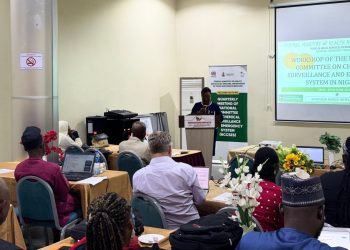
The Federal Ministry of Health and Social Welfare has intensified national preparedness and response measures to protect Nigeria against the possible introduction of the Bundibugyo Ebola Virus Disease (BEBOV), which has been reported in parts of East and Central Africa.
In a statement signed by the Assistant Director of Press and Public Relations, Ado Bako, and made available to Core Reporters on Tuesday, June 2, the ministry stressed that there is currently no confirmed case of Ebola Virus Disease (EVD) in Nigeria.
According to the statement, the ministry is taking proactive steps to strengthen the country’s health security and prevent any potential cross-border transmission of the disease.
“The Ministry wishes to reassure Nigerians that there is presently no confirmed case of Ebola Virus Disease in Nigeria. However, in line with the Federal Government’s commitment to strengthening national health security and preventing cross-border disease transmission, heightened preparedness measures have been activated nationwide,” the statement said.
It added that official preparedness protocols, advisories, and technical guidance documents have been uploaded to the ministry’s website to support public awareness, stakeholder sensitisation, and institutional compliance.
Key Measures Activated Nationwide
Border Control and Point of Entry Protocols
The ministry said the following measures are being enforced at airports, seaports, and land borders:
Universal temperature screening using non-invasive infrared thermal scanners and handheld thermometers for arriving travellers;
Mandatory completion of health declaration forms and travel history assessments by inbound passengers;
Enhanced traveller risk assessment and screening procedures at designated points of entry;
Secondary screening, isolation, and referral mechanisms for travellers showing symptoms associated with viral haemorrhagic fevers; and
Strengthened coordination with immigration, aviation, maritime, and border management authorities.
Enhanced Surveillance and Monitoring
To improve early detection and response, the government has strengthened:
Integrated Disease Surveillance and Response (IDSR) activities nationwide;
Event-based and community-based surveillance systems;
Monitoring, verification, and investigation of public health alerts and rumours;
National risk assessment and epidemiological monitoring; and
Collaboration with regional and international public health partners.
Laboratory and Emergency Response Readiness
The ministry also highlighted efforts aimed at ensuring rapid response capability, including:
Improved specimen collection and transportation systems for viral haemorrhagic diseases;
Strengthened laboratory biosafety and biosecurity protocols;
Activation and coordination of Public Health Emergency Operations Centres (PHEOCs);
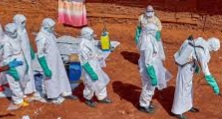
Deployment readiness of Rapid Response Teams at national and sub-national levels;
Reinforcement of Infection Prevention and Control (IPC) measures in health facilities; and
Ongoing training and sensitisation of healthcare workers, surveillance officers, and frontline personnel.
Healthcare facilities across the country have been advised to maintain a high index of suspicion for viral haemorrhagic fevers, strengthen triage systems, promptly isolate suspected cases, and strictly adhere to established reporting protocols.
The ministry urged Nigerians to remain calm, avoid misinformation and unverified rumours, and rely only on updates issued by recognised public health authorities.
It also advised members of the public to maintain regular hand hygiene, avoid direct contact with bodily fluids of symptomatic individuals, refrain from handling dead animals or bushmeat from unknown sources, and promptly report any unusual illnesses or deaths to the nearest health authority or healthcare facility.
The ministry assured Nigerians that it will continue to closely monitor developments and provide timely updates as necessary.
All Ebola preparedness advisories, protocols, and technical guidance documents are available on the Federal Ministry of Health and Social Welfare’s official website.