
NHRC, Ford Foundation, Ministry of Justice Call for Cultural Reform to Advance Women’s Rights and Child Protection
By Raphael Ekpang
The National Human Rights Commission (NHRC) has called for stronger collaboration among government institutions, development partners, traditional authorities and communities to address harmful cultural practices, promote women’s rights, and protect children across Nigeria.
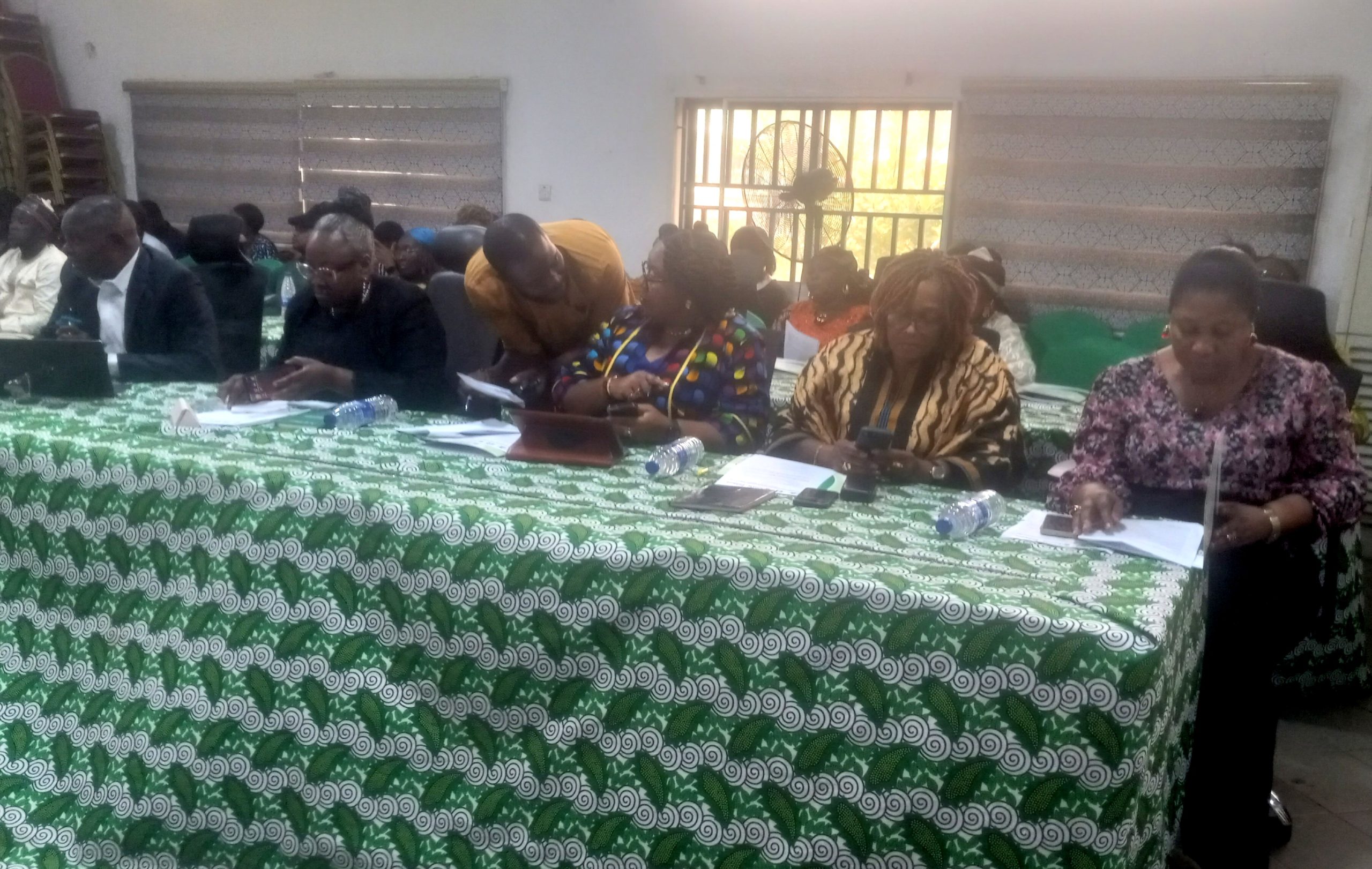
NHRC made the call on Thursday, May 7, 2026 during a one strategic forum on the development of community guidelines for the elimination of the harmful socio-cultural practices impacting on women’s rights and gender equity in Nigeria, organised by the NHRC in partnership with The Legal Defence and Assistance Project and Ford Foundation.
Speaking at the progam, the Executive Secretary of the Commission, Dr. Tony Ojukwu (SAN) represented by the director of women and children in the commission, Mrs Ngozi Okoye said ending child marriage, promoting girl-child education, protecting the rights of every child, and taking decisive action against violence, harmful practices, healthcare gaps, labour-related inequalities and other issues affecting women and girls remain essential to national development.
He stressed that cultural reform is central to progress, noting that cultural values and policies must always align with human rights. According to him, no culture is superior to human dignity and fundamental rights.
Dr. Ojukwu stated that the Nigerian Constitution, the mandates of relevant government institutions and Nigeria’s international obligations provide a strong basis for action. He noted that efforts are being advanced through policies and initiatives aimed at strengthening leadership, expanding education, reducing maternal mortality, preventing harmful traditional practices and promoting the moral and social development of communities.
He added that the Commission has continued to engage elders, traditional rulers, religious leaders, community leaders, women’s groups and young people in meaningful dialogue, describing the approach as a shift from top-down directives to community-based solutions.
“A closer look at the regulation of harmful practices shows clearly that this is not an attack on culture. Rather, it is an effort to renew culture by strengthening the values of health, respect and human dignity—values that our ancestors themselves upheld,” he said.
Representing the Ford Foundation, Dr. Izeduwa Derex-Briggs said the organisation was pleased to support efforts aimed at advancing the protection of Nigeria’s natural and cultural environment.
She noted that many cultural practices have existed for generations and that the present moment calls for reflection on why such practices continue, the role they play in daily life, whether they still serve meaningful purposes, and how they affect individuals and communities.
According to her, culture is dynamic and should remain open to reflection and renewal as society evolves. He observed that in many parts of Nigeria, certain beliefs and practices continue to shape social life, sometimes sustained by fear, rumours and assumptions that are rarely questioned.
Dr. Derex-Briggs said open and honest dialogue is necessary to examine whether such practices contribute positively to the wellbeing of communities. He stressed that the objective is not to reject culture, but to work with communities to identify what is beneficial for women, girls, men, boys and society as a whole.
She said meaningful transformation begins with honest conversation, thoughtful reflection and a willingness to act.
A representative of the Federal Ministry of Justice Mrs. Tasha Roseline reaffirmed government’s commitment to strengthening legal, policy and institutional frameworks that promote women’s rights, combat gender-based discrimination and improve access to justice for victims of violence and harassment.
The Ministry highlighted ongoing public enlightenment campaigns, legal aid and mediation services, community sensitisation programmes and strategic collaboration with the National Human Rights Commission and other stakeholders to promote awareness of human rights, gender equality and the prevention of gender-based violence.
The representative also noted that the Ministry continues to support women’s inclusion in decision-making processes, equal access to education and economic opportunities, and efforts to challenge harmful cultural practices that limit the potential of women and girls.
Government, the representative said, is also working towards the full implementation of its commitments under the Convention on the Elimination of All Forms of Discrimination Against Women and the Sustainable Development Goals, particularly the goal of empowering all women and girls.
Participants at the engagement agreed that promoting women’s rights and protecting children is not only a human rights issue, but also an economic, social and governance imperative. They noted that when women are empowered, poverty is reduced, health outcomes improve, productivity rises and political stability is strengthened.
The meeting concluded with a renewed commitment by stakeholders to strengthen collaboration, support community-based guidelines that promote respect, safety and dignity, and ensure the effective implementation of reforms at the community level.
The NHRC expressed appreciation to development partners, community leaders, academics, students and participants for their contributions, describing the engagement as an important step towards building communities founded on equality, dignity and respect for human rights.