
Comrade Adeyemo Says Workers Face Severe Hardship Amid Insecurity, Rising Cost of Living
By Raphael Ekpang
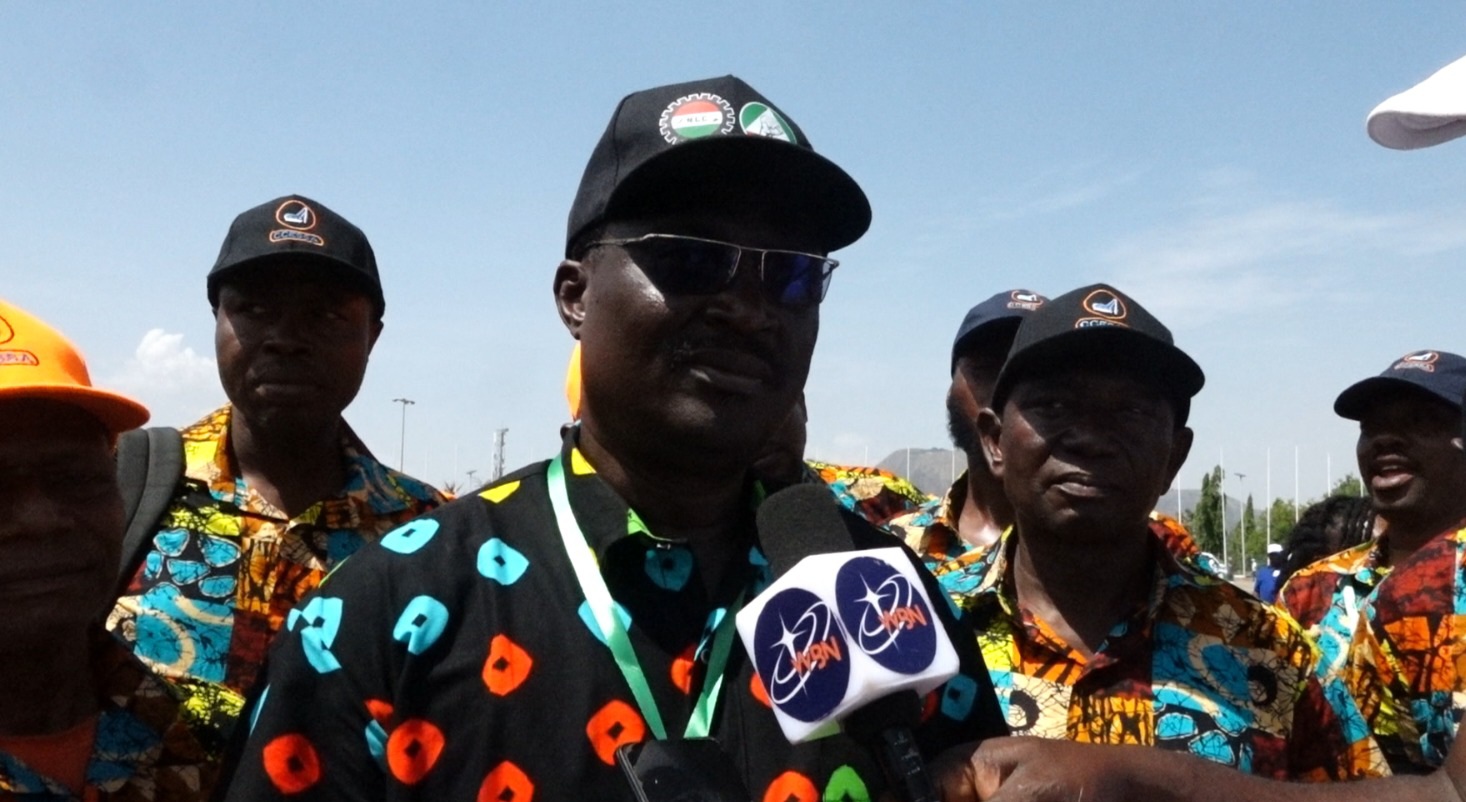
Comrade Dr. Ayodeji Adeyemo, National President of the Construction and Civil Engineering Senior Staff Association of Nigeria has raised serious concerns over the worsening conditions facing Nigerian workers, particularly those in the construction sector.
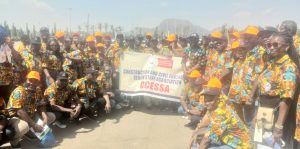
Speaking on the theme of this year’s May Day celebration, Adeyemo said it reflects the harsh realities confronting workers across the country, especially the growing insecurity.
“In our sector, workers operate in remote areas, bushes, cities, and across the nation. Sadly, many of them have been kidnapped or even killed — not only on job sites or along the roads, but sometimes in their own homes. So, the theme is very apt; it speaks to the reality of Nigerian workers and the general public,” he said.
On wages, Adeyemo dismissed the adequacy of the current minimum wage, arguing that it does not reflect prevailing economic realities.
“No rational person can say that ₦70,000 is enough to sustain a household when a bag of rice is close to ₦50,000. Workers are expected to survive on that, yet they still have to pay for transportation, security, and other basic needs. It is simply not realistic,” he said.
He further lamented that even highly skilled professionals in the construction and civil engineering sector are struggling to survive.
“We are not junior staff; we are professionals and managers. Yet some of our members are forced to sleep at construction sites because they cannot afford decent living conditions. Is that the kind of country we want?” he queried.
Highlighting the rising cost of living, he identified soaring fuel prices as a major burden on workers.
“Diesel is over ₦2,000, while petrol is about ₦1,380. Transportation costs are unbearable. How do you expect workers not to complain under these conditions?” he asked.
Adeyemo, who also serves as Co-Chairman of the 2026 NEC Committee, painted a grim picture of the country’s security situation, noting that even short-distance travel has become risky.
“Travelling from Abuja to Lokoja, a journey of about 150 kilometres, now requires serious prayers. People fear being kidnapped. That is not how a nation should function,” he said.
He called on the government to move beyond rhetoric and take concrete action to address the country’s mounting challenges.
“We are Nigerians, not foreigners. The government knows what is happening. They should stop pretending and do the needful. This is not the time for empty promises — we need action,” he stressed.
According to him, insecurity in Nigeria now extends beyond physical safety and affects multiple aspects of daily life.
“We are dealing with all forms of insecurity — job insecurity, food insecurity, health insecurity, and economic insecurity. People are hungry, and people are dying,” he added.
He urged leaders at all levels to prioritise the welfare and safety of citizens, warning that the current situation is unsustainable.