Deprecated: Function WP_Dependencies->add_data() was called with an argument that is deprecated since version 6.9.0! IE conditional comments are ignored by all supported browsers. in /home/corerepo/public_html/wp-includes/functions.php on line 6260 FG to Address Zaria Railway Compensation Disputes, Consider Naming Extension After Emir’s Ancestor - Core Reporters
FG to Address Zaria Railway Compensation Disputes, Consider Naming Extension After Emir’s Ancestor
By Sarah Kitka
Zaria (Core Reporters) — The Federal Government has pledged to address outstanding compensation concerns affecting residents whose properties have been impacted by railway construction in Zaria, Kaduna State, while considering a request to name a proposed railway extension after an ancestor of the Emir of Zazzau.
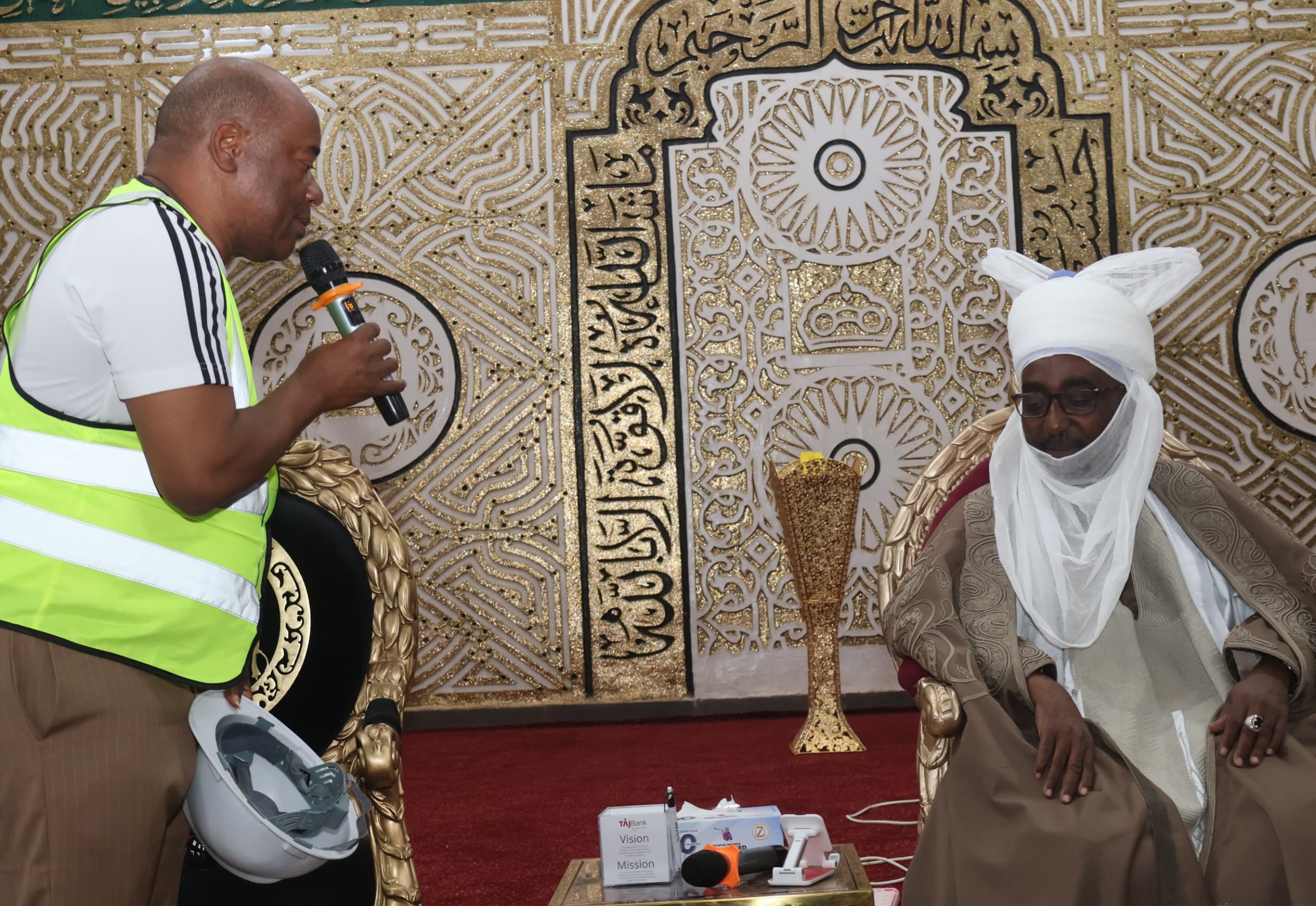
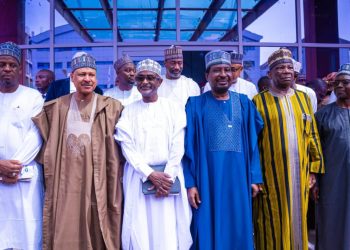
The Permanent Secretary of the Federal Ministry of Transportation, Engr. Funso Adebiyi, gave the assurance on Thursday, October 22, 2026, during a courtesy visit to the palace of the Emir of Zazzau, Ambassador Ahmad Nuhu Bamalli.
Adebiyi said the Ministry would review complaints from affected residents and consider the monarch’s request to name the proposed railway extension in recognition of his grandfather’s historical contributions to the establishment of railway transportation in Zaria.
He disclosed that compensation-related disputes were among the factors delaying the extension of the railway line from Jadji Station towards the Kano–Abuja rail corridor.
Acknowledging the concerns surrounding land acquisition and compensation, the Permanent Secretary said the Ministry would examine the existing complaints and explore ways to resolve the outstanding issues within the applicable statutory framework.
He also announced plans to meet with the affected residents the following week to review their complaints, examine relevant records and determine appropriate steps towards a resolution.
Adebiyi assured the Emir that the Ministry would give the matter the necessary attention, stressing the importance of addressing community grievances to facilitate the successful implementation of railway infrastructure projects.
He thanked the monarch for receiving the delegation and commended his hospitality, noting that collaboration with traditional institutions and host communities remained essential to the development of railway transportation.
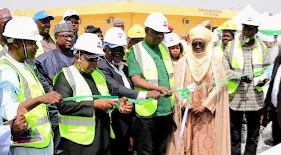
Earlier, the Emir of Zazzau expressed delight at the return of railway services to Zaria, describing the development as a significant milestone that had rekindled the historic relationship between rail transportation and the Zazzau Emirate.
Recalling his childhood experience with the railway, Bamalli said he travelled from Zaria to Bauchi in 1949 to see a train for the first time, describing the experience as a memorable part of the area’s railway history.
The monarch emphasised that railway development in Zaria had deep historical roots, which he said deserved greater recognition, particularly the contributions of those who initiated and facilitated the establishment of the railway in the area.
He therefore appealed to the Federal Government to consider naming the proposed railway extension after his grandfather in recognition of his role in the development of railway transportation in Zaria.
Bamalli urged the Permanent Secretary to convey the request to the Minister of Transportation and President Bola Ahmed Tinubu, expressing hope that the proposal would receive favourable consideration.
The Emir also welcomed the return of train services, noting that improved rail connectivity would ease the difficulties associated with road travel.
He disclosed that he had consistently used train services for trips to Abuja and called for sustained government investment in railway transportation as a viable alternative for Nigerians.
However, the monarch raised concerns over the resolution of land acquisition and compensation issues, urging the authorities to address the grievances of affected residents and ensure that their interests received appropriate consideration.
The engagement underscores the need to balance railway infrastructure development with fair compensation for affected communities, while recognising the historical contributions of traditional institutions and host communities to the growth of rail transportation in Nigeria.