Deprecated: Function WP_Dependencies->add_data() was called with an argument that is deprecated since version 6.9.0! IE conditional comments are ignored by all supported browsers. in /home/corerepo/public_html/wp-includes/functions.php on line 6260 Ebola: Nigeria Quarantines High-Risk Contacts, Intensifies Surveillance Nationwide-Says Minister - Core Reporters
Ebola: Nigeria Quarantines High-Risk Contacts, Intensifies Surveillance Nationwide-Says Minister
By Raphael Ekpang
Abuja (Core Reporters) — The Federal Government has intensified measures to contain Nigeria’s imported Ebola case, confirming that high-risk contacts have been quarantined in a designated facility while other identified contacts are being monitored under strict isolation protocols.
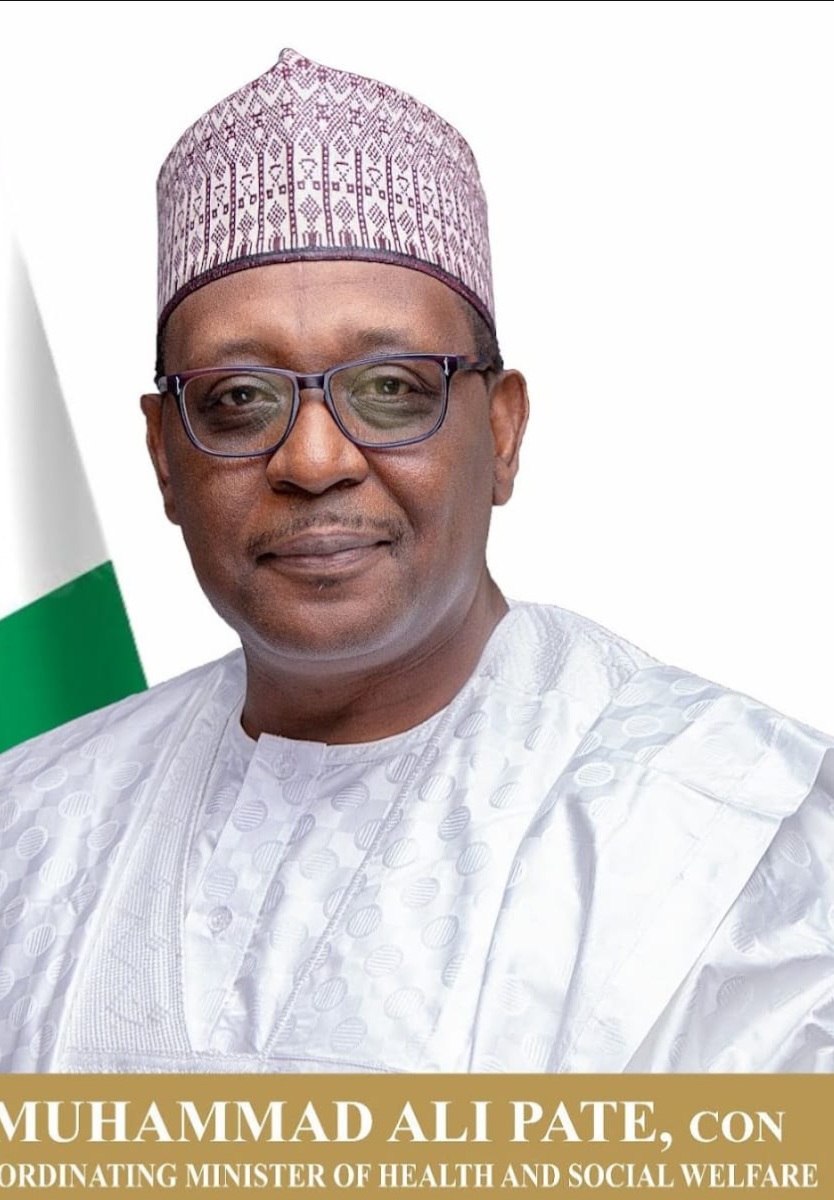
The Coordinating Minister of Health and Social Welfare, Prof. Muhammad Ali Pate, disclosed this on Thursday during a world press conference to update Nigerians on developments surrounding the outbreak.
He said the government had activated the national incident management system, mobilised additional resources and strengthened coordination among federal and state authorities to prevent further transmission of the virus.
According to the minister, the Nigeria Centre for Disease Control and Prevention (NCDC) is coordinating the response in collaboration with the Federal Capital Territory Administration (FCTA) and other relevant agencies.
He said the government was determined to prevent the imported case from spreading into communities, adding that investigations and contact-tracing activities were ongoing.
“All these contacts have been categorised according to risk levels. The high-risk contacts have been quarantined fully in a facility, while the others have been isolated, and we are ensuring that the isolation is enforced in line with public health expert guidelines,” he said.
Pate disclosed that the government had briefed the Presidential Task Force, the Nigeria Governors’ Forum and the National Economic Council, chaired by the Vice President, to ensure a coordinated national response.
He added that all state governments had been informed of the situation, while most had developed response plans with guidance from the NCDC. States yet to complete their plans had been directed to do so urgently.
The minister said the Federal Government had provided additional resources to the NCDC to support response operations, alongside funding from existing public health financing mechanisms and other domestic sources.
He also disclosed that coordination among ministries, departments and agencies had been strengthened, with the Ministry of Aviation and other relevant institutions participating in the response.
A meeting involving state commissioners for health and information was scheduled to harmonise communication and response strategies across the country.
Rapid Diagnosis, Genomic Sequencing
Pate said Nigeria’s public health authorities diagnosed and confirmed the case within 24 hours of being notified and subsequently informed the World Health Organisation (WHO).
He said preparations were underway for further genomic sequencing of the virus to improve understanding of the strain involved and support evidence-based response measures.
The minister disclosed that Prof. Christian Happi, a renowned genomics expert at Redeemer’s University, Ede, had been invited to complement the NCDC’s efforts and strengthen the country’s laboratory and genomic surveillance capacity.
The Africa Centres for Disease Control and Prevention (Africa CDC), WHO and other technical partners are also supporting Nigeria’s response.
According to Pate, experts with experience in managing outbreaks in other countries had arrived to support the ongoing efforts.
He said the involvement of local and international experts demonstrated Nigeria’s capacity to mobilise public health expertise and respond to emergencies.
FG Rules Out Immediate Restrictions on Public Gatherings
Responding to questions from journalists, the minister said there was currently no evidence that the imported case had spread into the community.
He added that no decision had been taken to cancel or restrict planned public gatherings, stressing that the government would continue to monitor developments and review its recommendations as new evidence emerged.
“At this moment, there is no indication that requires us to alter the course of large gatherings that have been planned. But if the situation changes, we will make a determination,” he said.
Pate maintained that decisions concerning public gatherings and other preventive measures would be guided by scientific evidence and expert advice.
The government urged Nigerians to remain vigilant without giving in to panic, emphasising the importance of regular handwashing, proper hygiene and compliance with public health instructions.
People experiencing symptoms such as fever, headaches and muscle aches, particularly those with relevant travel histories or possible exposure to the virus, were advised to isolate themselves promptly and notify public health authorities.
Hospitals, Health Workers Put on Alert
The Federal Government said federal hospitals and health facilities in the FCT had been notified to prepare adequate bed capacity, isolation facilities and infection-prevention measures.
State authorities are also being engaged to ensure that healthcare facilities are prepared to identify and manage suspected cases.
The government emphasised that private healthcare providers must work closely with public health authorities, noting that the imported case had initially presented at a private medical facility.
Health workers were urged to strictly observe infection-prevention and control protocols when attending to patients to minimise the risk of exposure.
The minister also called on individuals identified through contact tracing to comply fully with quarantine and isolation requirements to prevent possible onward transmission.
FG to Strengthen Border Surveillance
The government also announced plans to reinforce surveillance at Nigeria’s points of entry, including the provision of additional screening capacity and thermal-imaging equipment.
According to Pate, Nigeria had recorded no Ebola cases during the preceding five months, despite more than 40,000 people travelling into the country within that period.
He said the government would sustain and strengthen existing surveillance measures while focusing on containing the current imported case.
The authorities are also working with development partners, traditional institutions, religious organisations and community leaders to improve public awareness and encourage cooperation with health officials.
The minister disclosed that he had engaged the Sultan of Sokoto, representing traditional leadership in northern Nigeria, and the President of the Christian Association of Nigeria to support public communication and community mobilisation.
He said the involvement of traditional and religious leaders was essential to ensuring that accurate information reached communities and that public health directives were understood and followed.
FG Warns Against Politicisation, Misinformation
Pate urged political leaders to refrain from politicising the outbreak, describing public health protection as a shared responsibility that transcends political, ethnic and religious differences.
He also urged the media to rely on verified information from the NCDC, the Federal Ministry of Health and Social Welfare, WHO and Africa CDC rather than circulate rumours or unsubstantiated claims.
The minister said the government would continue to provide regular updates as investigations progressed, adding that the NCDC would sustain its daily incident-management meetings while the Presidential Task Force remained fully briefed.
He noted that Nigeria had successfully managed Ebola in the past and was drawing on its existing expertise, preparedness plans and international partnerships to contain the current case.
According to him, the immediate priority is to prevent further transmission, protect healthcare workers and the public, and ensure that the outbreak does not spread to other communities or countries.
Pate called on Nigerians to cooperate with health authorities, comply with contact-tracing and isolation requirements, observe recommended preventive measures and obtain information from credible official sources.
He maintained that the situation would continue to be assessed on the basis of scientific evidence, with additional measures to be introduced if developments warranted them..